
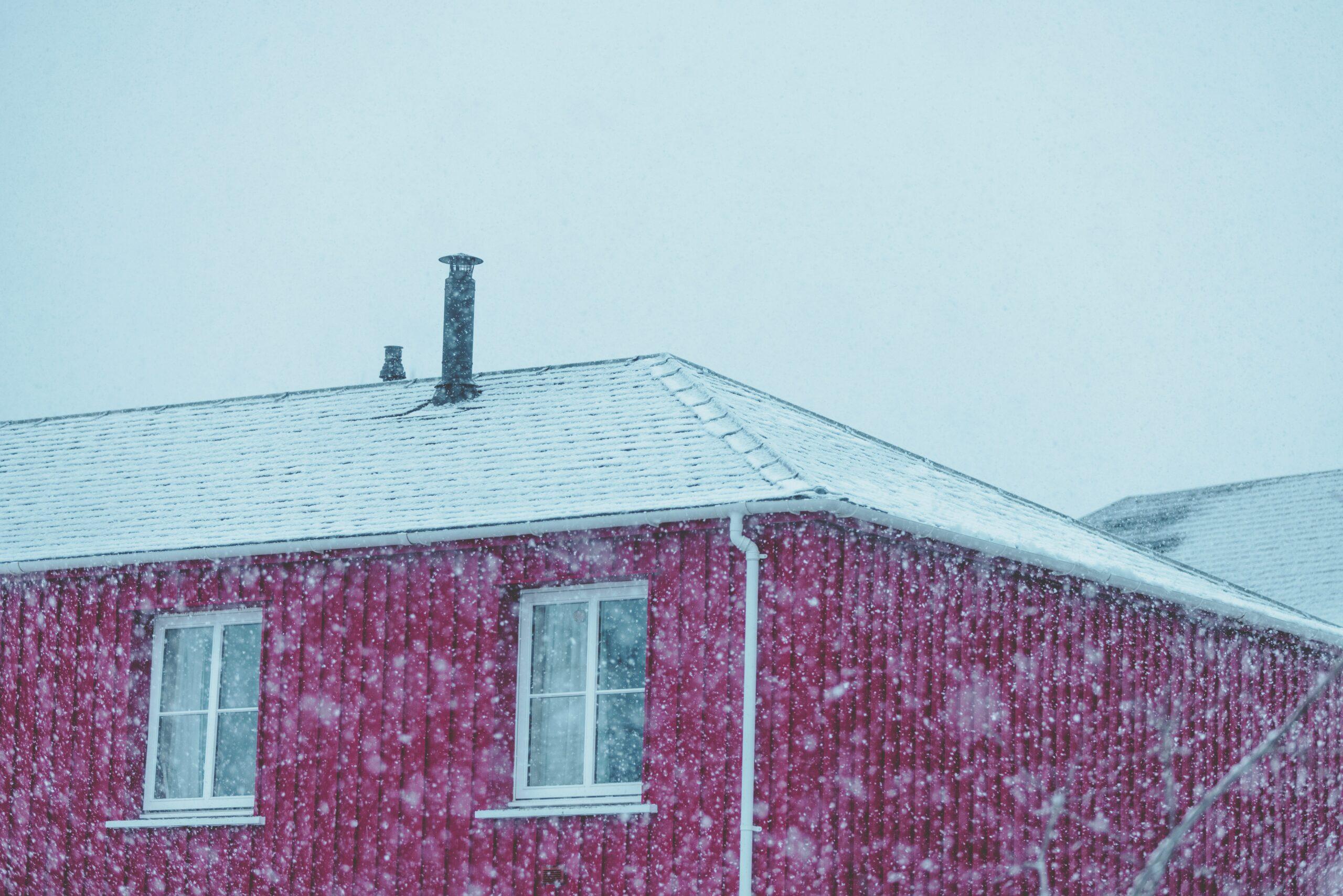
A hailstorm can roll through Wisconsin in minutes and leave behind thousands of dollars in damage. Once the storm passes, most homeowners assume their insurance will step in and cover repairs. That assumption is often right, but the payout isn’t always as straightforward as it should be. Hail damage claims get delayed, reduced, and denied more often than policyholders expect.
At Wallace Law, we want you to understand what homeowners insurance hail damage coverage typically includes, why claims run into trouble, and what you can do when your insurer isn’t paying what you’re owed.
What Types of Hail Damage Are Usually Covered?
For most homeowners, the short answer to “does home insurance cover hail damage?” is yes, at least in part. A standard homeowners insurance policy typically covers hail damage caused by a sudden hail storm, but the extent of that home insurance coverage depends on your policy details, deductible, and how the damage is classified.
Most homeowners insurance policies include dwelling coverage for storm damage, which applies to the structure of your home. That means a damaged roof, siding, gutters, and even broken windows caused by hail are usually covered. When significant damage occurs, insurers are generally responsible for repair or replacement costs, subject to your deductible and whether your policy pays actual cash value or replacement cost.
Roof damage tends to draw the most attention after a storm. Hail can crack shingles, dent metal panels, and compromise the integrity of the roof system. If the roof has sustained damage that affects its function, insurers typically treat that as a covered loss. In some cases, that may include the cost of a new roof if repairs are not sufficient.
Coverage may also extend to detached structures and certain types of property damage inside the home if water enters through a storm-damaged area. However, what your homeowners insurance covers, and how much insurance pays for hail damage, depends heavily on your policy language, deductible, and the findings of the insurance adjuster assigned to your claim.
When Hail Damage May Not Be Fully Covered
Not every hail-related repair will make it through the claims process without issue. There are several situations where coverage gets reduced or denied outright, and understanding them can help you avoid surprises.
One of the most common is the cosmetic damage exclusion. Many Wisconsin policies now include language that limits coverage to functional damage only. If hail dents your metal roof panels but doesn’t affect how the roof performs, the insurer may call it cosmetic and refuse to pay. Similarly, if your policy carries a separate hail or wind deductible, which some do, the out-of-pocket cost before coverage kicks in may be higher than you expected.
Pre-existing wear and tear is another issue. Adjusters will sometimes attribute storm damage to an aging roof rather than the hailstorm itself, which gives the insurer a reason to reduce or deny the claim. If your roof was older at the time of the storm, this argument comes up frequently.
If your claim gets partially or fully denied for any of these reasons, you’re not necessarily out of options. Knowing what to do when insurance won’t cover repairs is the right place to start.
Why Hail Damage Claims Are Often Denied or Underpaid
Even valid hail damage insurance claims run into resistance. Insurers have financial incentives to minimize payouts, and a large storm event, where thousands of claims come in at once, increases that pressure. The result is that adjusters may complete rushed inspections, underestimate the scope of damage, or apply policy exclusions more aggressively than the language actually supports.
One of the most common issues in denied roof hail damage insurance claims is the inspection itself. An adjuster who spends twenty minutes on a roof after a major storm may miss damage to flashing, valley areas, or the underlayment. That incomplete inspection becomes the basis for a lowball offer or a denial.
Policy language is another factor. Insurance policies are written by the insurer, and ambiguous terms often get interpreted in the insurer’s favor unless a policyholder challenges that interpretation. Knowing what your policy actually says, and what Wisconsin law requires, matters here. Under Wisconsin insurance regulations, insurers have specific obligations when handling claims, including timelines for acknowledging and resolving them.
If your insurer has misrepresented your coverage, stalled your claim without a clear reason, or denied a legitimate loss, those outcomes deserve a closer look. Insurance companies are required to handle claims in good faith under Wisconsin law, which means they must investigate promptly, communicate honestly, and pay what is owed under your policy. When they fall short of that standard, it may not be an isolated mistake. It could reflect a pattern of handling claims in ways that favor the company over the policyholder.
How to File a Hail Damage Insurance Claim in Wisconsin
Knowing how to file a hail damage insurance claim correctly can make a real difference in how your claim gets handled. The following steps apply to most residential claims in Wisconsin.
Before getting into the specifics, it’s worth noting that documentation is everything. Insurers rely heavily on what’s in the claim file, so what you submit early on shapes the entire process. You will also be working directly with an insurance adjuster during the claim process, and in some cases, your insurance agent may be involved in explaining your homeowners insurance policy and coverage limits. Understanding your hail deductible and how a claim may affect future insurance premiums can also factor into how you approach the process.
- Document damage immediately. Take dated photos and video of all damage, including the roof, siding, gutters, and any interior damage caused by leaks.
- Review your policy first. Confirm your deductible, whether you have replacement cost or actual cash value coverage, and any exclusions that might apply.
- Report the claim promptly. Most policies require you to report damage within a reasonable time. Delaying can give the insurer grounds to reduce or deny the claim.
- Get an independent inspection. Hire a licensed roofing contractor to assess damage before the adjuster visits. Their report gives you an independent record of what was found.
- Keep records of all communication. Save emails, note the date and content of phone calls, and document who you spoke with at the insurance company.
- Don’t sign anything prematurely. Accepting a partial payment or signing a release before you understand the full scope of damage can limit your options later.
If you have questions about your specific hail damage claim, Wallace Law can help you sort through what your policy covers and whether your insurer is meeting its obligations. You generally have one year to make your claim, so the sooner you call, the better.
What to Do If Your Hail Damage Claim Is Denied or Underpaid
If your claim came back denied or the settlement offer doesn’t cover what repairs will actually cost, you have the right to push back. The first step is usually a written request asking the insurer to explain the denial in detail. That explanation will tell you whether the issue is a coverage dispute, a factual disagreement about the damage, or something procedural.
From there, most policies include an appraisal process that allows both sides to bring in independent appraisers to resolve disputes over the value of the damage. This process can be a useful way to challenge a lowball offer without going to court, though it requires careful handling to preserve your rights.
When an insurer acts in ways that go beyond a simple disagreement about coverage, such as ignoring documentation, misrepresenting your policy terms, or unreasonably delaying a clear claim, that may cross into bad faith. Wisconsin law holds insurers to a standard of good faith when handling claims, and violations of that standard can carry additional consequences for the insurer. If you believe your claim has been handled in bad faith, speaking with a bad faith insurance attorney is a practical next step.
How Wallace Law Helps With Hail Damage Claims
At Wallace Law, we focus on insurance disputes and work directly with Wisconsin policyholders who have been denied, underpaid, or ignored by their insurers. We understand how insurers evaluate hail claims, where their adjusters cut corners, and how to challenge outcomes that don’t reflect what a policy actually requires.
When you work with our Wisconsin insurance dispute lawyer, we review your policy, your insurer’s denial or payment, and the documentation supporting your claim. We can identify whether the insurer followed its own procedures and met its legal obligations under Wisconsin law. If they didn’t, we pursue every available option to correct that.
Our focus is on getting policyholders the coverage they paid for. We handle communication with the insurer, evaluate whether appraisal or litigation is the right path, and keep you informed throughout the process. There are no guarantees of any specific outcome, but you will have someone in your corner who knows how these disputes work and isn’t afraid to press the insurer when the situation calls for it. If you’re ready to talk through your situation, contact us for a free consultation.
Let Us Help
Contact us today about your case.