
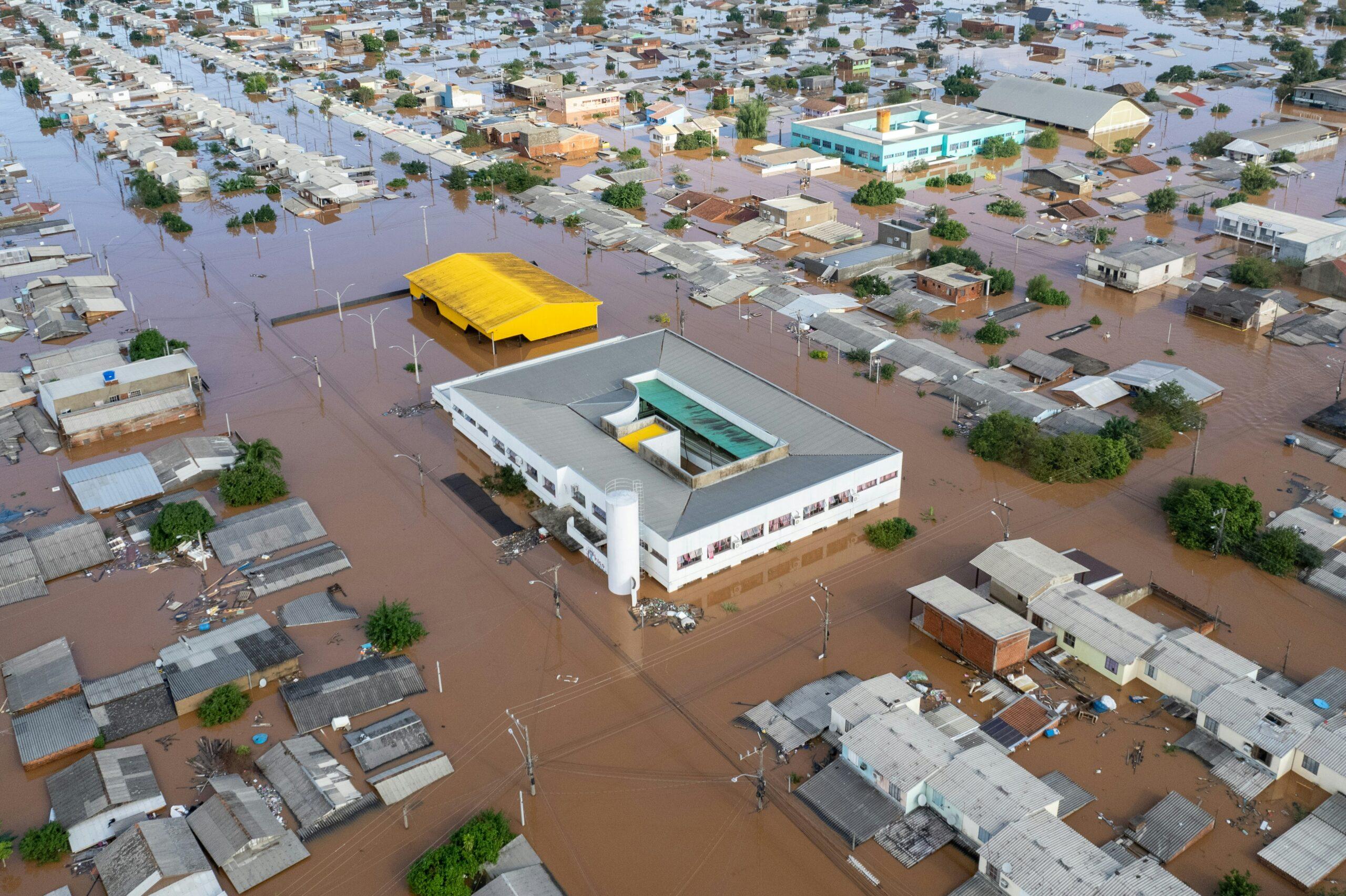
Flood damage can upend a renter’s life in a matter of hours. Personal property is ruined, living spaces become uninhabitable, and the cost of replacing everyday essentials adds up quickly. Many renters assume their renters insurance will step in when this happens. Often, it does not.
The reality is that renters insurance and flood insurance are two very different forms of coverage. When flooding occurs, renters frequently learn (often too late) that their policy excludes the type of damage they are facing. Understanding these distinctions ahead of time can help renters avoid unexpected coverage gaps and know what to do when an insurer refuses to pay.
Does Renters Insurance Cover Flood Damage?
In most cases, standard renters insurance does not cover flood damage.
Standard renters insurance policies almost always exclude losses caused by flooding. Insurers typically define flooding as water rising from outside the building, including water from heavy rainfall, overflowing rivers or lakes, storm surge, or surface runoff. If water accumulates outside and enters the unit, the resulting damage is usually excluded from coverage.
This exclusion applies regardless of fault. Even if a renter took reasonable precautions, or the flooding was sudden and severe, the insurer may still deny the claim based on the policy’s flood exclusion.
What Types of Water Damage Are Covered by Renters Insurance?
Although flood damage is excluded, renters insurance may cover certain non-flood water losses. The distinction often comes down to where the water originated.
Water damage that may be covered includes:
- Burst or leaking pipes inside the unit
- Water damage from malfunctioning appliances
- Accidental discharge from plumbing or heating systems
- Overflow from sinks, toilets, or bathtubs
If the water comes from inside the building due to a sudden and accidental event, coverage may apply. If the water comes from outside and spreads across the ground before entering the unit, insurers generally classify it as flooding and deny coverage.
This distinction can become a point of dispute, particularly when insurers attempt to characterize mixed or ambiguous water losses as flood-related.
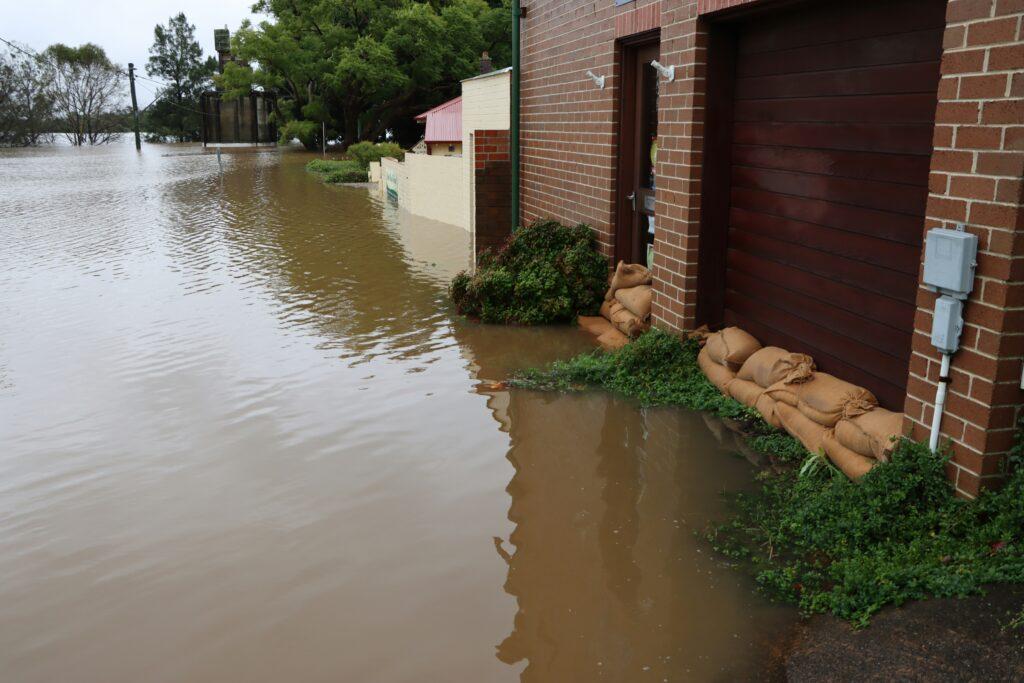
Does Renters Insurance Cover Flooded Basements?
For renters living in basement or garden-level units, the answer is often no. Standard renters insurance typically does not cover flooded basements when the flooding is caused by surface water or groundwater intrusion.
Even when a renters policy covers personal property stored in a basement, flood exclusions often override that coverage. As a result, renters may find that furniture, electronics, and other belongings are not covered after a flood.
Because basement units are inherently more vulnerable to flooding, renters in these spaces face heightened risk and may want to consider additional coverage.
Can a Renter Get Flood Insurance?
Yes. A renter can get flood insurance even if they do not own the property, and coverage is available in many areas outside designated floodplains.
Flood insurance for renters is commonly available through the National Flood Insurance Program (NFIP) and, in some cases, through private insurers. Unlike renters insurance, flood insurance is specifically designed to cover damage caused by flooding.
For renters, flood insurance typically covers:
- Personal property damaged by flooding
- Certain cleanup and debris removal costs
Flood insurance does not cover damage to the building itself, which is generally the landlord’s responsibility.
Do I Need Flood Insurance as a Renter?
Whether flood insurance is necessary depends on several factors, including location, unit type, and personal risk tolerance. Many renters assume flood insurance is only needed in high-risk flood zones, but flooding occurs in areas of all risk levels.
Renters who live in participating communities may want to consider flood insurance if they:
- Live near rivers, lakes, or drainage systems
- Rent a basement or ground-level unit
- Live in areas prone to heavy rainfall or poor drainage
- Rent in older buildings with known water intrusion issues
Even a few inches of floodwater can cause significant damage to personal belongings. Because renters insurance usually excludes flood losses, flood insurance may be the only coverage available.

How Much Does Flood Insurance Cost for Renters?
Flood insurance premiums for renters vary based on factors such as location, flood risk, coverage limits, and deductibles. Policies issued through the National Flood Insurance Program often cost less for renters than for homeowners because they cover personal property only, not the building itself. Premiums can range from relatively modest annual amounts to higher costs in areas with greater flood exposure.
Policyholders should review coverage limits, deductibles, waiting periods, and exclusions carefully. The lowest premium is not always the best protection if coverage is limited or narrowly defined.
What Renters Should Check Before Buying Flood Insurance
Buying flood insurance is only part of the decision. Renters also need to know whether the policy they are considering actually matches the risk they face and the value of what they own. Two policies can both be called flood insurance while offering very different protection once a loss occurs.
- How much personal property coverage is included
- Whether the policy pays replacement cost or actual cash value
- How high the deductible is and whether it is realistic for your budget
- Whether there is a waiting period before coverage takes effect
- Whether temporary living expenses are covered
- Whether there are limitations on certain categories of personal property
These are the kinds of details renters often overlook when they are focused only on price. But after a flood, they can make a major difference in how much protection is actually available.
Why Estimating the Value of Your Property Matters Before a Loss
Many renters underestimate how much it would cost to replace everything inside the unit. Furniture and electronics are obvious, but flood losses often include clothing, shoes, bedding, kitchen items, work equipment, and everyday essentials that add up quickly.
A simple room-by-room estimate can help renters choose a more realistic coverage amount before there is ever a problem. That kind of planning does not prevent flooding, but it can reduce the chance of discovering after a loss that the policy limit was too low for the property that was actually damaged.
How Do I File a Flood Insurance Claim as a Renter?
Filing a flood insurance claim depends largely on who issued the policy and which legal framework governs the claim. For renters, flood insurance claims generally fall into two categories: claims governed by federal law through the NFIP and claims governed by state law through private insurers.
While the basic steps for reporting flood damage are similar, the rules that control deadlines, documentation, and disputes can differ significantly.
How Flood Insurance Claims Work Under the NFIP
Many renters purchase flood insurance through the National Flood Insurance Program. Although NFIP policies are often sold and serviced by private insurers, claims are governed by federal regulations rather than state insurance law.
NFIP claims typically require:
- Notice of the loss “as soon as practicable.” That phrase is intentionally flexible, but in practice it means:
- As soon as the policyholder becomes aware of the damage, and
- Without unnecessary delay once conditions allow.
- Inspection by an assigned adjuster.
- Detailed documentation of damaged personal property.
- Submission of a sworn proof-of-loss form within 60 days of the date of loss, unless FEMA issues an extension.
Procedural compliance is critical in NFIP claims. Courts generally require policyholders to follow the claims process exactly as written. Missed deadlines, incomplete forms, or insufficient documentation can affect coverage even when flood damage is otherwise covered.
Because NFIP policies are governed by federal law, remedies are limited. State-law claims related to insurer conduct may not be available in NFIP disputes.
Private Flood Insurance Claims vs. NFIP Claims
Some renters obtain flood insurance through private insurers rather than the NFIP. These policies are typically governed by state insurance law, and coverage terms can vary by insurer.
While the initial claim steps may look similar to NFIP claims, private flood insurance disputes are often shaped by:
- State rules governing policy interpretation
- Requirements for claim handling and payment
- Available remedies when claims are denied or delayed
For renters, the distinction matters most when a claim is disputed. The legal options available after a denial may differ depending on whether federal or state law applies. State law most often comes into play when a flood insurance claim is delayed, underpaid, or denied. Depending on the policy and jurisdiction, state law may influence:
- How coverage provisions are interpreted
- What deadlines apply
- Whether insurer conduct violates state insurance regulations
- What remedies are available to policyholders
These issues can vary from state to state, meaning similar claims may be handled differently depending on where the policy is issued and enforced.
Common Issues With Flood Insurance Claims
Flood insurance claims do not always proceed smoothly. Disputes often arise over:
- Whether the damage was truly caused by flooding
- How personal property is valued
- Whether certain items are excluded from coverage
- Whether documentation was sufficient or timely
In practice, insurers may take a narrow view of coverage or rely on technical interpretations of policy language. When flood damage involves multiple water sources, insurers may attempt to shift responsibility or deny portions of the claim altogether.
These issues can leave renters stuck between insurers while repair costs continue to mount.
When to Contact a Lawyer About a Flood Insurance Claim
Not every flood insurance claim requires legal involvement. However, there are situations where speaking with a lawyer can make a meaningful difference.
This may include cases where:
- A flood insurance claim is denied or underpaid
- The insurer disputes the cause of the damage
- Policy language is unclear or inconsistently applied
- Deadlines or procedural requirements become an issue
By the time many renters seek legal help, they have already spent weeks or months trying to get clear answers from an insurance company without success. At that point, understanding the policy and the insurer’s obligations becomes critical.
How Wallace Insurance Law Helps With Flood Insurance Disputes
Wallace Insurance Law represents policyholders in insurance coverage disputes, including flood insurance claims. The firm focuses on holding insurers accountable to the terms of their policies when claims are denied, delayed, or underpaid.
This may include:
- Reviewing flood insurance policies and exclusions
- Evaluating whether the insurer followed required procedures
- Identifying improper claim handling or valuation issues
- Advising clients on available remedies
The firm’s experience on the insurance side provides insight into how claims are evaluated and where disputes often arise.
Understanding Your Coverage Before a Flood Happens
Flood damage can be financially disruptive, especially for renters who assume their belongings are fully protected. In many cases, renters insurance does not provide coverage for flood-related losses, leaving renters exposed when they need help most.
Understanding whether renters insurance covers flood damage, whether flood insurance is available, and how claims are handled can help renters make informed decisions before a loss occurs. When an insurer refuses to pay a claim or relies on narrow interpretations of coverage, legal guidance may help clarify what options are available.
If you have questions about flood insurance coverage or a denied flood insurance claim, Wallace Insurance Law can evaluate your situation and explain your options. Contact us today for a free consultation.
Get Started Right Now
Contact our team for help