
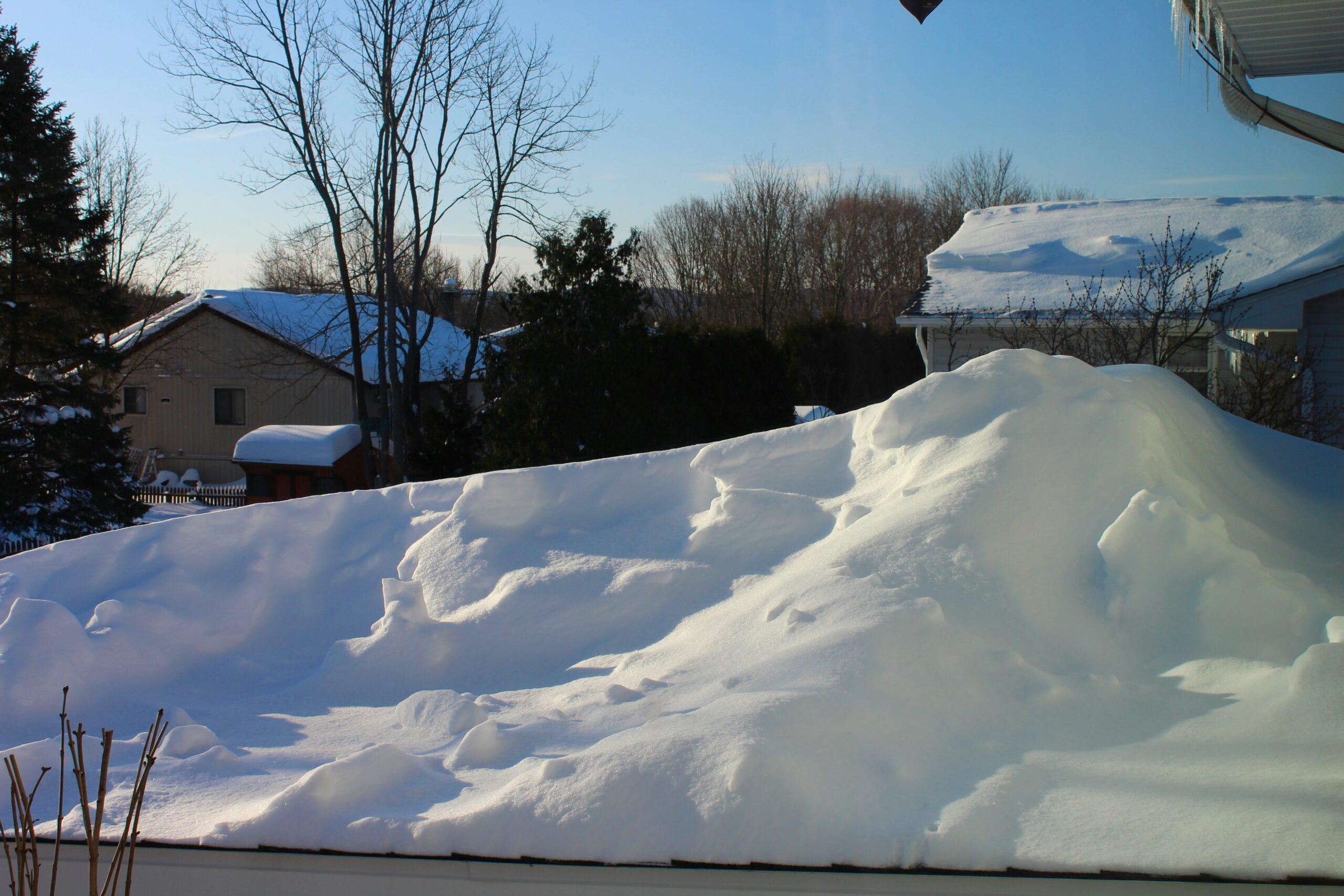
Snow and winter storms in Wisconsin often lead to property damage, but the dispute that follows is not about the weather. It is about how the insurance policy applies to the loss. When an insurance company denies or limits a claim including roof damage, ice-related water intrusion, frozen pipes, and damage from fallen trees, the issue becomes a first-party insurance dispute governed by the terms of the policy and Wisconsin law.
Wallace Law represents homeowners, renters, condominium and association property, and commercial property owners in insurance disputes arising from snow and winter storm damage. Our focus is on coverage, exclusions, and whether the insurer’s position is supported by the policy and the available evidence.
How Insurance Policies Address Snow and Winter Storm Damage
Insurance coverage for snow and ice damage is determined by the language of the insurance policy, including what causes of loss are covered, what exclusions apply, and what conditions the insured must satisfy. These provisions control whether a claim is paid, limited, or denied.
Covered Causes of Loss
Most policies extend insurance coverage to certain forms of storm damage, including damage caused by the weight of snow or ice and sudden damage resulting from winter conditions. This can include structural damage to a roof, water damage following a burst pipe, or other property damage that occurs as a direct result of a winter storm.
The key issue is whether the loss falls within a covered cause under the policy, not simply whether snow or ice was present. Coverage depends on how the policy defines the cause of the damage and whether the event is treated as sudden and accidental.
Limitations and Exclusions That Affect Insurance Coverage
Even when winter conditions are involved, insurers often rely on exclusions to limit or deny coverage. These provisions may address:
- Failure to maintain the property, including roof condition or drainage issues
- Gradual damage, as opposed to damage that occurs suddenly during a storm
- Water intrusion, including damage associated with ice buildup or blocked drainage, where the source or path of water is treated as excluded
- Ground movement, which may apply to frost-related structural damage
Disputes arise when the insurance company characterizes the cause of loss in a way that places the damage outside of coverage. These determinations must be tied to the policy language and supported by the facts.
Policy Conditions That Affect a Claim
Insurance policies — for homeowners and for business owners — impose conditions that affect whether a claim is paid.. These conditions may require the insured to:
- Provide notice of the claim within a timely manner
- Take reasonable steps to protect the property from further damage
- Allow the insurance company access to inspect the property
In condominium settings, these conditions may apply differently depending on whether the obligation falls on the association or the unit owner.
Insurers may rely on these conditions as grounds to limit or deny coverage. Whether those conditions were properly applied depends on the specific facts of the claim and the terms of the policy.
Why Snow Damage Claims Are Denied or Underpaid
Disputes over snow and winter storm damage claims typically arise from how the insurance company interprets the cause of loss and applies the insurance policy. Even where significant property damage has occurred, insurers may take the position that the loss falls outside of coverage or is only partially covered.
These disputes often involve:
- Reframing the cause of damage as a non-covered condition rather than a covered storm event
- Limiting the scope of repair by narrowing the extent of the damage
- Issuing partial payment while disputing the full value of the claim
The outcome depends on whether the insurer’s position is supported by the policy language and the available evidence.
Insurer Positions on Property Condition and Responsibility
A common basis for denial is the insurer’s assertion that the damage resulted from the condition of the property rather than the winter storm itself. This may include arguments related to:
- Roof condition and whether the structure was able to withstand snow accumulation
- Snow removal practices and whether the property was properly maintained
- Heating and operation of building systems affecting plumbing and water supply
These positions are often used to shift responsibility to the insured. Whether that shift is supported depends on the specific policy provisions and the facts surrounding the loss.
Types of Insurance Claims
We can help with multiple types of insurance disputes.
Property Insurance Dispute Lawyer

Commercial Property Insurance Dispute Lawyer
Wisconsin Insurance Dispute Lawyer
Snow Damage Claims That Can Give Rise to an Insurance Dispute
Snow and ice-related losses take different forms, but the dispute consistently centers on how the insurance policy applies to the damage and how the insurer characterizes the cause of loss. These issues arise across residential property, multi-unit buildings, and commercial structures.
Roof Collapse and Structural Failure From Snow Load
Snow accumulation can place significant stress on a roof or structural system. When that stress leads to collapse or structural compromise, the dispute typically focuses on whether the loss is attributed to the weight of snow or to pre-existing conditions.
Insurers may argue that the damage resulted from deterioration, prior damage, or construction issues rather than a storm event. These disputes also involve the extent of the structural damage and whether full repair or replacement is required.
Ice Dams and Interior Water Intrusion
Ice buildup along a roofline can interfere with drainage and lead to water entering the property. The presence of ice is not usually disputed. The issue is whether the resulting water damage is treated as covered under the policy.
Insurers often characterize these conditions as developing over time, which may be used to argue that the loss is not covered. Disputes also arise over the extent of interior damage and whether it is tied to a covered cause.
In condominium properties, these disputes may also involve allocation of responsibility between the association’s policy and individual unit owner coverage, particularly where damage affects both common elements and interior units.
Frozen Pipes and Plumbing System Damage
Freezing temperatures can affect plumbing systems in residential and commercial properties, leading to burst pipes and water damage. Coverage disputes often turn on whether the property was adequately maintained and whether reasonable steps were taken to protect the plumbing system.
Insurers may assert that the damage resulted from a failure to maintain heat or protect the water supply. These positions must be evaluated against the policy conditions and the circumstances of the loss.
Frost Heave and Foundation or Structural Movement
Freezing and thawing cycles can cause soil movement that affects foundations and structural components. Insurance policies often contain exclusions related to ground movement, which become central to these disputes.
The key issue is whether the damage is attributed to excluded ground movement or to a covered event involving winter conditions. These cases often involve disagreement over the cause and extent of the structural damage.
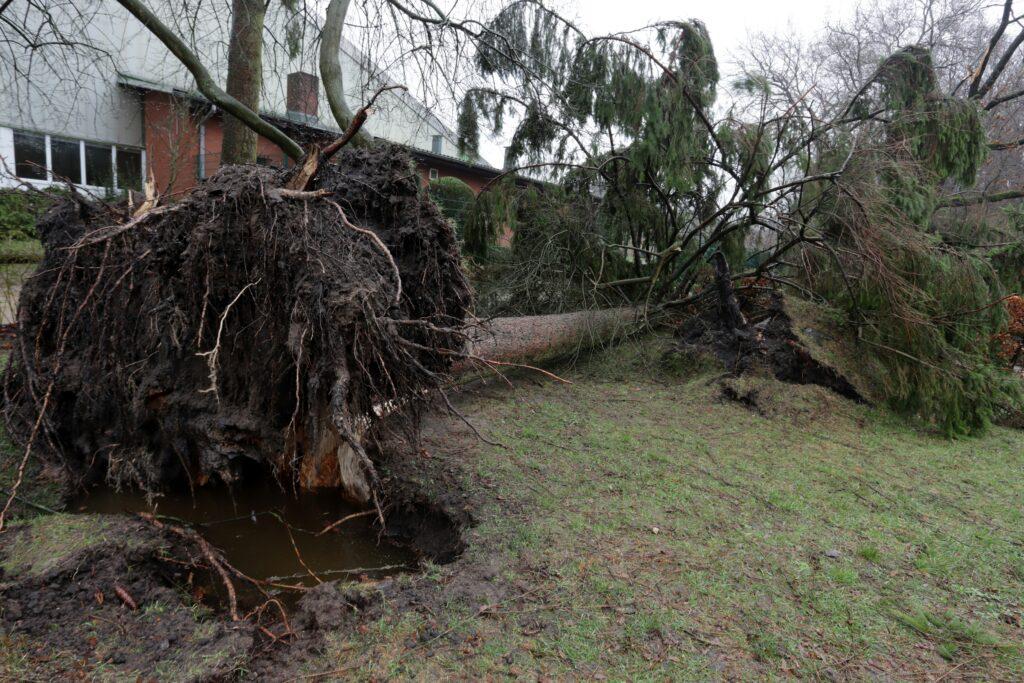
Fallen Trees and Exterior Storm Damage
Winter storms can cause trees or heavy ice accumulation to impact a structure. These claims involve questions about causation and the scope of damage to the property.
Disputes may arise over whether the damage is tied to a covered storm event and whether the cost of removal and repair is included under the policy.
What Happens After a Snow Damage Claim Is Denied
A denial reflects the insurance company’s position on how the policy applies to the loss, not a final determination of coverage. The next step is to evaluate whether that position is supported by the policy language and the facts of the claim.
This evaluation focuses on:
- The specific reason given for the denial
- How the insurer interpreted the cause of damage
- The evidence relied on in reaching that decision
In many cases, disputes arise because the insurer has framed the loss in a way that places it outside of coverage. That framing must be tested against the policy and the record.
Insurer Duty Under Wisconsin Law
Under Wisconsin law, an insurer owes a duty to the insured to evaluate and handle claims in good faith. This includes an obligation to:
- Conduct a reasonable investigation
- Apply the policy as written
- Avoid denying a claim without a reasonable basis
If an insurer denies or limits a claim without support in the policy or the evidence, that conduct may give rise to a dispute beyond the coverage issue itself.
Legal Options for Denied Snow Damage Claims
When a snow damage claim is denied or underpaid, the available legal options depend on the terms of the insurance policy, the insurer’s stated basis for its decision, and the supporting evidence.
Breach of Insurance Contract
A claim for breach of contract arises when an insurer fails to pay a loss that is covered under the policy. The dispute centers on enforcing the terms of the agreement and determining whether the insurer’s denial is consistent with those terms.
Bad Faith Claims Against the Insurer
A bad faith claim may arise where the insurer’s position lacks a reasonable basis or where the claim was not evaluated properly. This involves examining both the denial itself and the manner in which the insurer handled the claim.
When Policyholders May Sue
Whether to pursue legal action depends on the facts of the claim, the policy language, and the insurer’s conduct. These decisions are made on a case-by-case basis, with attention to the available remedies and the strength of the dispute.
Your Fight Ends Here
Schedule a Free Legal Consultation

How Wallace Law Handles Snow Damage Insurance Disputes
Wallace Law is a Wisconsin-based law firm focused on first-party insurance disputes. We represent policyholders in residential and commercial matters involving denied, underpaid, or delayed claims arising from snow, ice, and winter storm damage.
Our role is not to process or submit claims. We step in when a dispute exists over how the insurance policy applies to the loss and whether the insurer’s position is supported by the policy and the evidence.
Our work typically involves:
- Reviewing the insurance policy to identify applicable coverage, limitations, and exclusions
- Analyzing the basis for the denial or partial payment issued by the insurance company
- Evaluating inspection reports, estimates, and other materials relied on by the insurer
- Assessing whether the insurer met its obligations under Wisconsin law, including its duty of good faith
Where appropriate, we pursue resolution through negotiation or litigation. This includes disputes involving homeowners, condominium and association property, and commercial property owners. The focus remains on enforcing the terms of the policy and addressing insurer conduct that does not align with those terms.
Snow Damage Insurance Claims in Wisconsin: FAQs
What information matters most in a disputed snow damage claim?
The most important information is what the insurance policy says and how the insurer applied it to the loss. This includes the stated cause of damage, the inspection findings, and the documentation used to support the claim. Disputes often turn on whether the insurer’s explanation aligns with the policy language and the actual conditions at the property.
What if the insurance company delays responding to a claim?
Insurance companies are expected to evaluate and respond to claims within a reasonable timeframe. Delays can affect the condition of the property and the ability to complete repairs. Whether a delay becomes part of a dispute depends on the length of time, the reason for the delay, and how the insurer handled the claim during that period.
Can a business file a claim for winter storm damage?
Yes. Commercial property owners can file claims for damage caused by winter storms, including damage to buildings, systems, and operations, depending on the terms of the policy. These claims are evaluated under the same framework as residential claims, but often involve more complex coverage issues and larger losses.
How does an insurance company determine the cause of damage?
Insurers rely on inspections, reports, and other documentation to determine how the damage occurred. This may include evaluating weather conditions, property condition, and the sequence of events leading to the loss. Disputes arise when the insurer’s conclusion about the cause of damage differs from what the policyholder believes is supported by the evidence.
Does the insurance policy control how a snow damage claim is resolved?
Yes. The insurance policy governs whether a loss is covered, limited, or excluded. The outcome of a claim depends on how the policy defines covered causes of loss, what exclusions apply, and whether the conditions of the policy were satisfied. Any dispute must be resolved by applying the facts of the claim to the terms of the policy.
Speak With a Wisconsin Snow Damage Claims Lawyer
Snow and winter storm damage claims often turn on how the insurance company interprets the policy and the cause of loss. Disputes involving roof collapse, ice-related water intrusion, frozen pipes, or structural damage require a careful review of coverage, exclusions, and the insurer’s stated position.
Wallace Law represents policyholders across Wisconsin in insurance disputes involving snow and winter storm damage. We evaluate the policy, the denial, and the supporting evidence to determine whether the insurer’s decision is consistent with its obligations under the policy and Wisconsin law. Call or contact us today to learn more.