
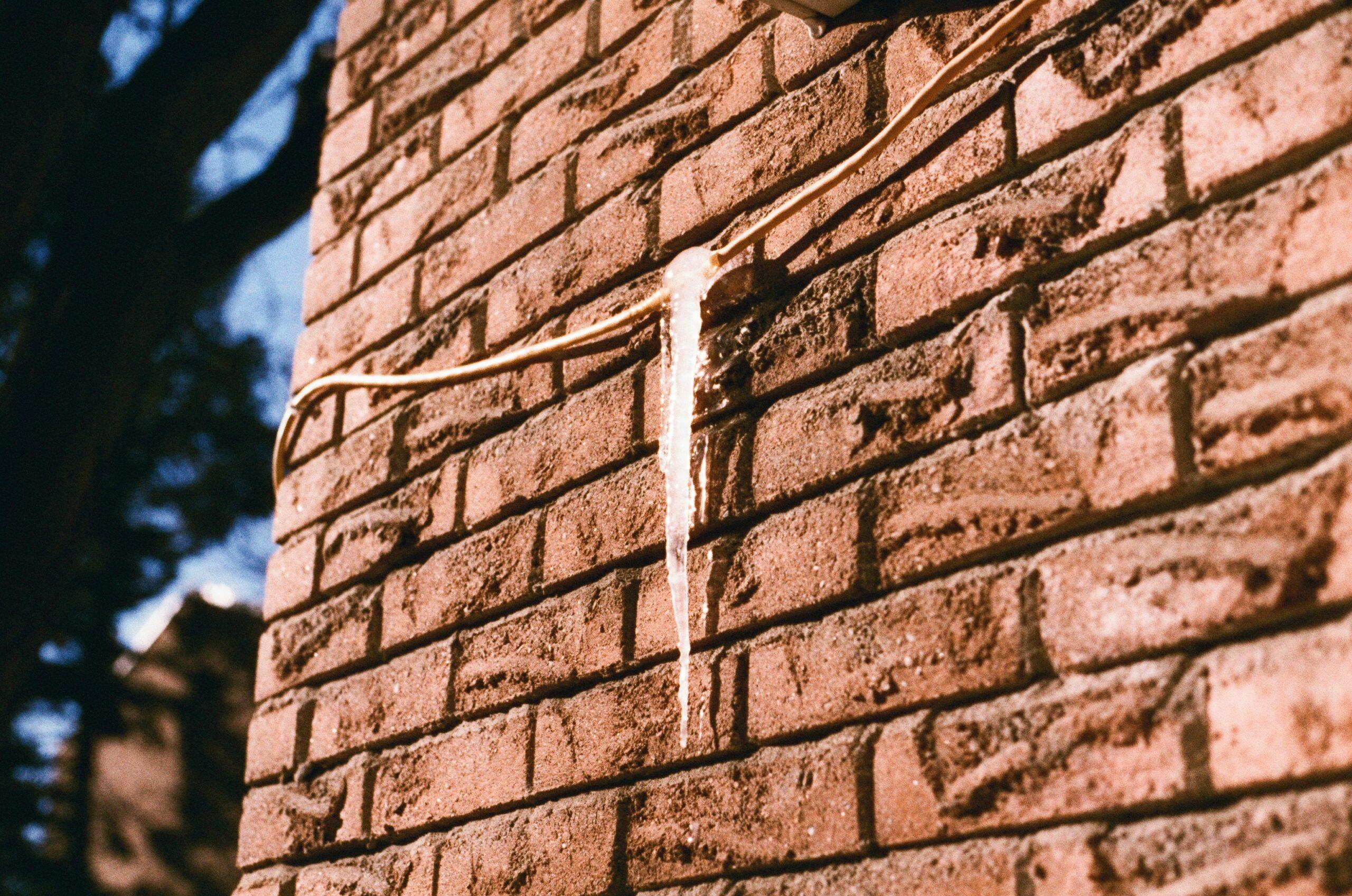
Frozen pipes are a common winter problem in Wisconsin. When temperatures drop well below freezing, water inside plumbing lines can solidify and expand. The increased pressure inside the pipe can eventually cause the pipe to rupture, leading to significant water damage once the ice thaws and water begins flowing again.
Many homeowners are surprised by how quickly a burst pipe can create costly water damage inside a home. Water may spread through ceilings, walls, flooring, and crawl spaces before the problem is discovered. In some situations, a single burst pipe can damage multiple rooms and destroy personal belongings within hours.
Homeowners insurance policies often provide coverage for this type of loss, but the answer depends on how the damage occurred and whether policy conditions were followed. If you are dealing with a frozen pipe insurance claim, understanding how coverage works can help you respond quickly and avoid problems with your insurance company.
What Is a Frozen Pipe Insurance Claim?
A frozen pipe insurance claim is a type of property insurance claim filed after plumbing freezes and ruptures during cold weather. When pipes freeze, the expanding ice can create extreme internal pressure. Eventually, the pipe bursts, releasing water into the surrounding structure once temperatures rise.
The damage that follows is often extensive. Water may spread through ceilings, insulation, drywall, and flooring before the homeowner realizes what happened. In many cases, the most serious losses occur after the pipe bursts rather than during the freezing event itself.
A burst pipe insurance claim typically focuses on the damage caused by the escaping water. This may include structural repairs, replacement of damaged property, and restoration work needed to dry the home and prevent mold growth.
Frozen pipe insurance coverage generally applies to accidental water damage that occurs suddenly and unexpectedly. However, homeowners insurance policies usually contain conditions requiring homeowners to maintain heat and take reasonable precautions to prevent pipes from freezing.
When those conditions become part of the dispute, insurance companies may challenge whether the claim should be paid.
Does Homeowners Insurance Cover Frozen Pipe in Wisconsin?
In many situations, homeowners insurance covers water damage from frozen pipes. Most homeowners insurance policies treat this type of loss as accidental water damage when the pipe bursts due to freezing temperatures.
Coverage usually applies when a pipe bursts suddenly and releases water into the home. The resulting water damage to walls, floors, ceilings, and personal belongings may be covered, along with some repair costs related to restoring the structure.
Typical coverage may include:
Sudden Burst Pipes Caused by Freezing
When pipes freeze during cold weather and the pipe bursts, the sudden rupture may qualify for frozen pipe insurance coverage. The key factor is that the damage occurred unexpectedly rather than as part of normal wear or deterioration.
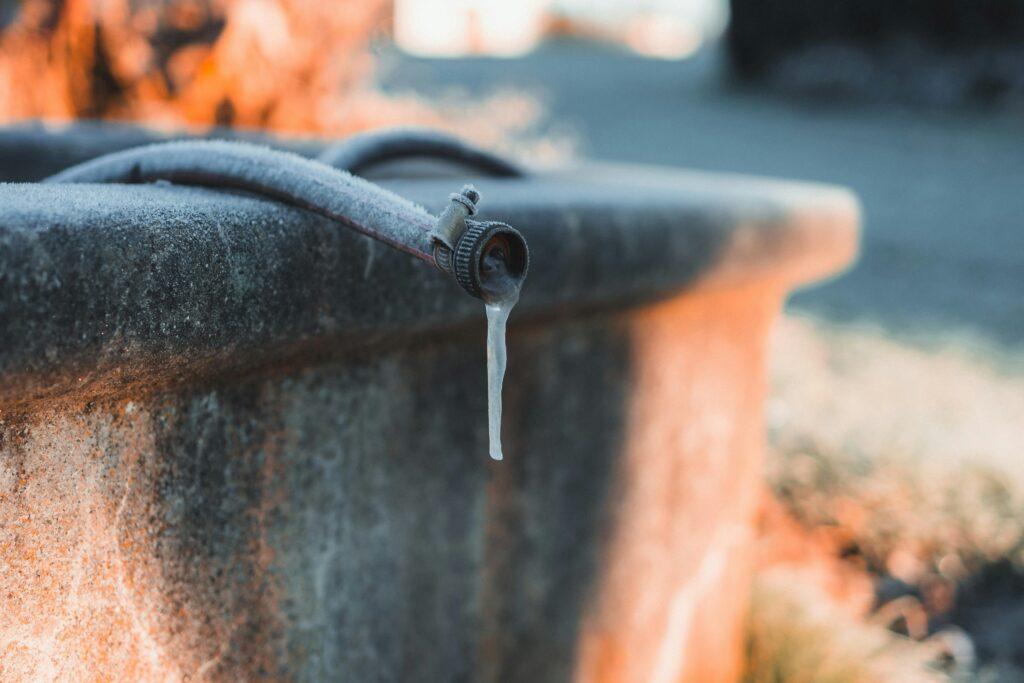
Pipes freeze most often in exterior walls, crawl spaces, attics, and other areas exposed to freezing temperatures. Exterior faucets and poorly insulated plumbing are particularly vulnerable.
Water Discharge and Interior Water Damage
Once a burst pipe releases water, the damage can spread quickly. Homeowners insurance policies often cover accidental water damage caused by the discharge from broken pipes.
This may include damage to drywall, insulation, flooring, cabinetry, and other parts of the structure. Costly water damage may also affect areas far from the original burst pipe because water travels through framing and ceiling cavities.
Structural Repairs
Frozen pipes can lead to serious structural damage. When a pipe bursts and water spreads through the home, it may weaken flooring, damage framing, or saturate insulation inside exterior walls.
Homeowners insurance may provide coverage for restoring the home’s structure after accidental water damage. Contractors may need to remove damaged materials, dry the building, and rebuild affected areas.
Damage to Personal Property
A burst pipe can also damage personal belongings. Furniture, electronics, clothing, and stored items may be ruined when water spreads through the home.
Homeowners insurance policies often provide coverage for personal belongings damaged by accidental water discharge. However, coverage limits and deductibles may affect how much the insurance company pays.
What to Do Immediately After Frozen Pipe Damage
When a pipe bursts, acting quickly can help limit property damage and strengthen your insurance claim.
- Shut off the home’s main water supply to stop the flow of water. This step can prevent further flooding and reduce the amount of water damage inside the home.
- Document the damage as soon as it is safe to do so. Photographs and video can help show the condition of the damaged property before cleanup begins. These records may become important when filing an insurance claim.
- Contact mitigation professionals if significant water damage has occurred. Water extraction, drying equipment, and moisture testing can help prevent mold and further deterioration.
- Preserve damaged materials when possible. Insurance companies sometimes inspect broken pipes, damaged drywall, or flooring as part of their claim investigation.
- Call your insurance agent. If the loss is severe, contact the insurance company promptly and reporting the damage is usually required under homeowners insurance policies.
Knowing what to do after frozen pipes burst can help reduce repair costs and prevent disputes later in the claim process.
Common Reasons Frozen Pipe Claims Are Denied
Even though homeowners insurance often covers water damage from frozen pipes, insurers do deny some frozen pipe insurance claims. Many denials rely on policy conditions or factual disputes about how the damage occurred.
Common reasons insurers give for denying a burst pipe insurance claim include:
- Failure to maintain heat in the home
- Failure to properly winterize plumbing
- Wear, corrosion, or aging plumbing
- Pre-existing leaks or maintenance issues
- Late reporting of the loss
- Disputes about the cause of damage
- Failure to mitigate damage after the pipe bursts
Even when one of these explanations is cited, the situation is not always straightforward. Frozen pipe claims often involve technical questions about how the plumbing failed, whether the home was properly protected, and whether the insurance company correctly interpreted the policy.
In some cases, insurers slow the process by requesting repeated inspections, asking for additional documentation, or re-evaluating the cause of the loss. Delays like these can leave homeowners waiting months for payment while repair costs continue to rise.
Wisconsin law requires insurance companies to investigate and evaluate claims fairly. When an insurer relies on unsupported conclusions, repeatedly delays a decision, or denies coverage without a reasonable basis, the dispute may extend beyond a simple claim denial and into bad faith.
Are Vacant Homes Covered for Frozen Pipes?
Vacancy can significantly affect frozen pipe insurance coverage. Many homeowners insurance policies restrict water damage coverage when a property is vacant for an extended period.
A home may be considered vacant if it is unoccupied and largely empty of furniture or household contents. Policies sometimes reduce or eliminate coverage after the home has been vacant for several weeks.
However, not every absence makes a home vacant under the policy. Short trips, temporary travel, or seasonal absences may still qualify as an occupied property depending on the circumstances.
These distinctions often become important when an insurance company denies a burst pipe insurance claim based on vacancy provisions.
What If My Pipes Burst While I Was Away?
Frozen pipes frequently occur when homeowners are traveling during the winter. If pipes freeze and burst while you are away, coverage may depend on whether reasonable precautions were taken.
For example, maintaining heat in the home, insulating plumbing, or having someone check the property during cold weather may demonstrate that the home was properly winterized.
If the insurance company claims the home was left unprotected during freezing temperatures, it may deny the claim based on policy conditions.
Your Fight Ends Here
Schedule a Free Legal Consultation

What Should I Do If My Burst Pipe Claim Is Denied?
If an insurance company denies your frozen pipe insurance claim, it is important to review the denial carefully. The insurer must usually explain the reason for the claim denial and identify the policy language it relies on.
Homeowners should gather documents related to the damage, including photographs, contractor estimates, mitigation reports, and plumbing inspections. These records may help show that the pipe bursts resulted from freezing temperatures rather than normal wear or neglect.
Disputes may also arise over the extent of the water damage or the cost of necessary repairs. When an insurer undervalues the damage or rejects part of the claim, homeowners may need to challenge the decision.
If your insurance denied a burst pipe claim and the explanation appears inconsistent with the policy, call Wallace Law. We can help you determine whether the denial was justified.
How Wallace Insurance Law Helps Wisconsin Homeowners
At Wallace Insurance Law, we represent Wisconsin homeowners in disputes involving property insurance claims, including frozen pipe insurance claims and burst pipe insurance claim disputes.
When homeowners contact us after a denied frozen pipe claim, we review the homeowners insurance policy, the insurance company’s investigation, and the evidence related to the damage. Our goal is to determine whether the insurer properly applied the policy or whether the claim was denied without a reasonable basis.
Insurance disputes often involve complicated policy language and competing explanations for how the damage occurred. We analyze the facts, evaluate inspection reports, and identify whether exclusions or maintenance arguments were applied correctly.
When insurance companies deny legitimate claims or fail to pay for significant damage, homeowners may have legal options to challenge those decisions.
Frozen Pipe Insurance Claim FAQs
Does homeowners insurance cover frozen pipes if the power goes out?
Coverage may depend on the circumstances surrounding the outage. If pipes freeze because of a sudden power failure during freezing temperatures, homeowners insurance may cover the resulting water damage. However, insurers may investigate whether the homeowner took reasonable steps to protect the property once the outage occurred.
Will insurance pay to repair the pipe itself or only the water damage?
Homeowners insurance policies often focus on the damage caused by the burst pipe rather than the plumbing repair itself. Many policies cover the water damage to the home and personal belongings but may limit coverage for repairing the pipe that failed. The specific policy language determines what portion of the repair costs may be covered.
Contact Wallace Law If Your Burst Pipe Claim Was Denied
Frozen pipe claims can involve extensive property damage, expensive repairs, and disputes over coverage. If your homeowners insurance claim was denied or underpaid after pipes freeze and burst, we can evaluate the situation and explain what options may be available. Call or contact Wallace Law today. Serving all of Wisconsin.