
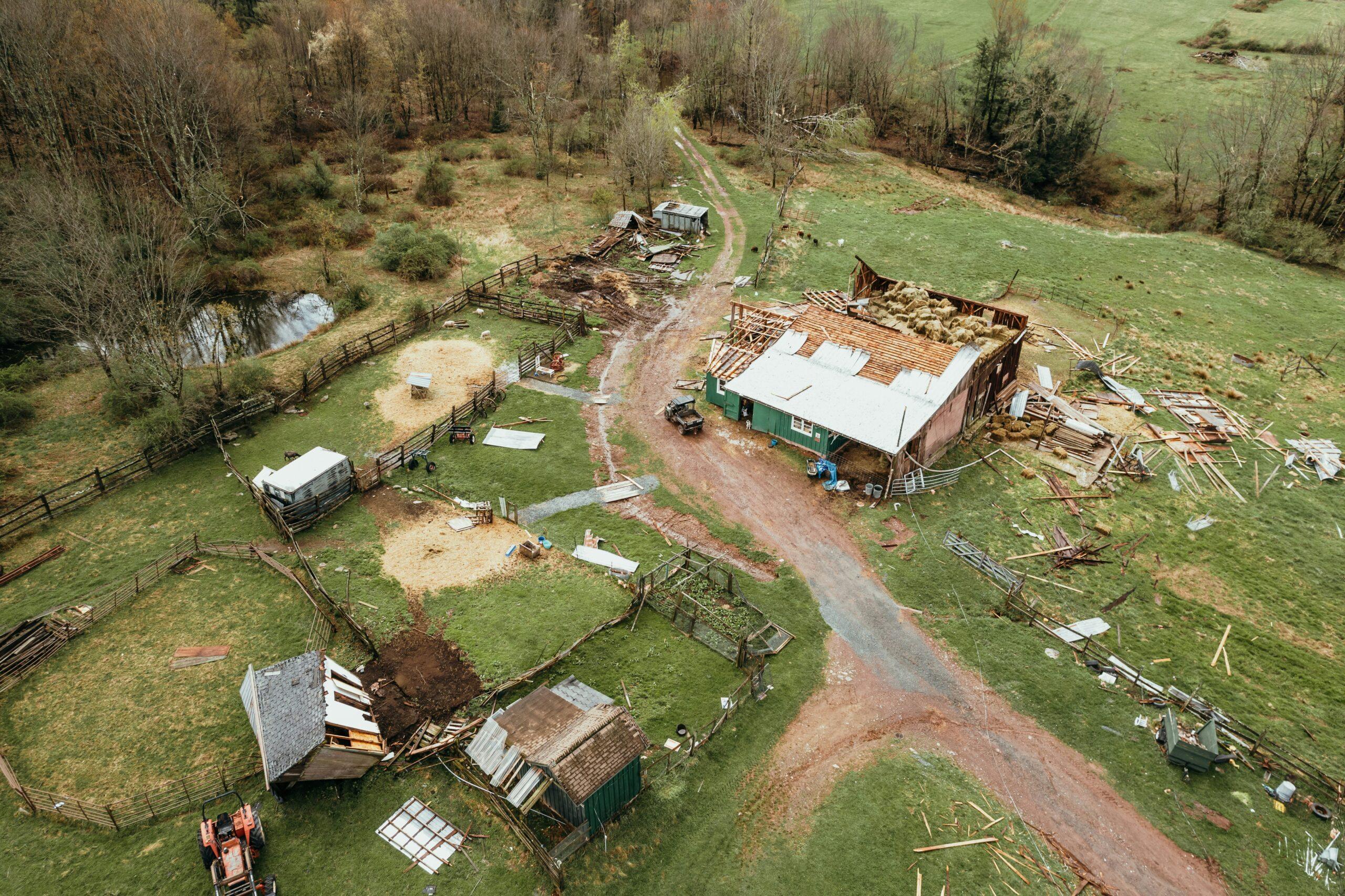
Strong winds can cause more damage than many property owners expect. Fences are especially vulnerable to wind-related damage, whether from straight-line winds, severe storms, or gusts associated with larger weather events. When a fence is damaged or knocked down, one of the first questions property owners ask is whether insurance will cover the cost of repairs or replacement.
The answer is often it depends. Coverage for wind damage to a fence depends on the type of insurance policy, the cause of the damage, how the fence is classified under the policy, and how the insurer applies policy exclusions and limits. Understanding how these issues work can help property owners evaluate their options and respond appropriately if a claim is denied or underpaid.
Does Home Insurance Cover Fence Damage From Wind?
In many cases, home insurance may cover fence damage caused by wind, but coverage is not automatic. Most homeowners insurance policies treat fences as “other structures,” which are typically covered under a separate portion of the policy rather than under dwelling coverage.
Wind is generally considered a covered peril under standard homeowners insurance policies. If wind directly damages a fence — such as by knocking it over or breaking sections — coverage may be available, subject to the policy’s terms, limits, and exclusions.
However, insurers often scrutinize fence claims closely, and coverage disputes are common.
How Home Insurance Typically Classifies Fences
Fences are usually classified as other structures, a category that may also include sheds, detached garages, and similar improvements on the property. Other structures coverage is typically capped at a percentage of the dwelling limit, often around 10 percent, although the exact amount varies by policy.
This classification matters because:
- Coverage limits for other structures may be significantly lower than dwelling coverage
- Depreciation may be applied differently
- Certain exclusions may apply more broadly to other structures
When insurers limit payment for fence damage, they often rely on how the fence is categorized and how coverage limits are calculated.
Does Insurance Cover Wind Damage to Fences in All Situations?
Even when wind is a covered peril, insurers may deny or limit coverage based on how the damage occurred. Common issues include:
Wear and Tear or Maintenance Issues
Home insurance policies generally exclude damage caused by wear and tear, deterioration, or lack of maintenance. If an insurer claims the fence was already weakened, rotted, or improperly maintained, it may argue that wind was not the true cause of the damage.
Indirect or Secondary Damage
Disputes may arise over whether the fence was damaged directly by wind or indirectly by another cause. For example, if wind caused a nearby object or tree to fall onto the fence, insurers may analyze whether that scenario falls within the policy’s coverage provisions.
Excluded Perils
Some policies contain exclusions related to certain types of storms or conditions. While wind is commonly covered, coverage may be limited if the insurer characterizes the damage as resulting from flooding, ground movement, or another excluded peril.
What If a Tree Falls on the Fence Because of Wind?
If a gumtree falls on your fence as a result of a windstorm, coverage often depends on whose tree fell and how homeowners insurance applies to the situation. In many cases, the analysis still centers on whether the damage was caused by a covered peril, such as wind, rather than on fault.
Common scenarios include:
- If your tree falls on your fence: Damage to the fence may be covered under your homeowners insurance if wind or another covered peril caused the tree to fall. Coverage is typically subject to the policy’s terms, deductible, and other structures limits.
- If your neighbor’s tree falls on your fence: Your homeowners insurance may still be the primary source of coverage for fence repairs, even though the tree belonged to a neighbor. Insurers often focus on the cause of the loss rather than ownership of the tree, unless there is evidence of negligence or a separate liability issue.
Tree-related fence damage claims can become complicated, especially when insurers dispute whether wind caused the tree to fall or argue that decay or preexisting conditions played a role.
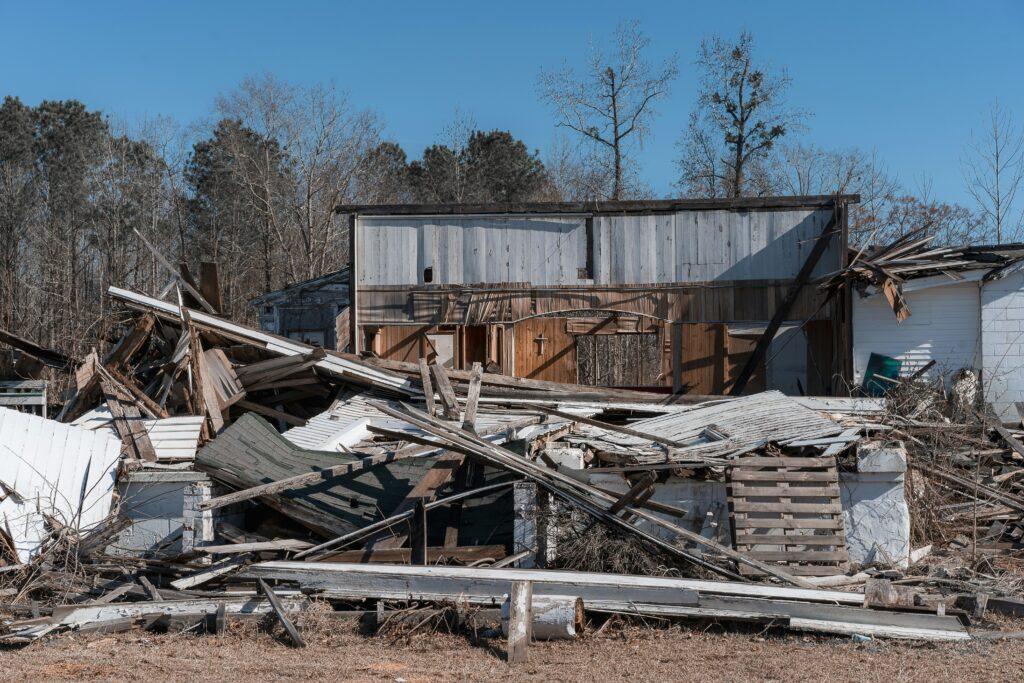
How Insurers Evaluate Wind Damage Fence Claims
When a fence damage claim is submitted, insurers typically conduct an investigation that may include photographs, inspections, and adjuster reports. In some cases, insurers also rely on weather data or expert opinions to assess whether wind was sufficient to cause the claimed damage.
This evaluation process can lead to disputes over:
- The cause of the damage
- The extent of the loss
- Whether the fence should be repaired or replaced
- How depreciation is applied
Because fences are often exposed to the elements, insurers may argue that damage was gradual rather than sudden, even when a specific wind event is identified.
Actual Cash Value vs. Replacement Cost for Fence Damage
Another important issue in fence claims is whether the homeowners insurance policy pays actual cash value (ACV) or replacement cost.
- Actual cash value coverage accounts for depreciation, meaning older fences may result in lower payouts.
- Replacement cost coverage may pay the cost to repair or replace the fence without deducting depreciation, but only if certain conditions are met.
Many policies provide ACV coverage for other structures by default, with replacement cost coverage available only through endorsements. Disagreements over valuation are common, particularly when insurers apply significant depreciation to older fences.
Partial Fence Damage vs. Full Fence Replacement
Another frequent point of dispute in fence damage claims is whether the insurer will pay to repair only the damaged portion of a fence or replace the entire structure. Insurers often take the position that they are obligated to repair only the sections that were physically damaged by wind.
Homeowners, however, may argue that partial repairs leave the fence mismatched in appearance, materials, or structural integrity. Differences in color, age, or construction style can result in a fence that no longer functions or appears uniform.
Whether full replacement is required often depends on policy language, valuation provisions, and how courts in the applicable state interpret repair-versus-replacement obligations. Disagreements over scope are especially common when fences are older or when replacement materials are no longer readily available.
Deductibles and Out-of-Pocket Costs for Fence Damage Claims
Even when wind damage to a fence is technically covered, homeowners may still face significant out-of-pocket costs. This is often due to the policy deductible, which must be paid before insurance coverage applies.
Many homeowners insurance policies include standard deductibles for wind damage, and some policies impose separate or higher deductibles for wind or storm-related losses. If the cost to repair or replace a damaged fence is close to or below the deductible, the insurer may approve coverage but issue little or no payment.
This is a common source of confusion. A claim can be “covered” under the policy while still resulting in no payout once the deductible is applied. Understanding how deductibles work helps explain why some fence claims do not result in meaningful reimbursement, even when wind is a covered peril.

What to Do If a Fence Damage Claim Is Denied or Underpaid
If an insurer denies a claim or offers a payment that does not cover the cost of repair or replacement, it is important to understand the reason given for the decision.
Common denial or underpayment reasons include:
- The insurer claims the damage was due to wear and tear
- The insurer asserts that wind was not the primary cause
- The insurer applies depreciation aggressively
- The insurer relies on coverage limits or exclusions
Policyholders should review the denial letter carefully and compare it against the policy language. In many cases, the insurer’s explanation is not the final word on coverage.
Does State Law Affect Fence Damage Insurance Claims?
Insurance coverage disputes are governed by state law, and rules can vary depending on where the property is located and where the policy was issued.
For property owners in states such as Wisconsin, Illinois, and Michigan, state law may affect:
- How policy terms are interpreted
- What standards insurers must follow when investigating claims
- Whether delays or denials violate state insurance regulations
- What remedies may be available if a claim is mishandled
These differences can influence both how a fence damage claim is evaluated and what options are available if coverage is disputed.
HOA Rules and Shared Fence Issues After Wind Damage
Fence damage claims can become more complicated when a fence is shared with a neighbor or governed by a homeowners association (HOA). In these situations, questions may arise about who owns the fence and who is responsible for repairs.
Some homeowners insurance policies cover only structures owned by the policyholder, while others may exclude shared property altogether. HOA bylaws or neighborhood agreements may also assign maintenance and repair obligations in ways that affect insurance coverage.
When insurers deny fence damage claims involving shared or HOA-controlled fences, they often rely on ownership provisions rather than the cause of the damage itself. Reviewing both the insurance policy and any applicable HOA documents is often necessary to determine whether coverage applies.
When to Contact a Lawyer About Wind Damage to a Fence
Not every fence damage claim requires legal involvement. However, legal guidance may be appropriate when:
- A claim is denied despite apparent wind damage
- The insurer relies on exclusions or maintenance arguments
- The payment offered does not reflect the cost of repair or replacement
- Coverage limits or depreciation are applied in dispute
By the time many property owners seek help, they have already attempted to resolve the issue directly with the insurer without success.
Related Blog Posts
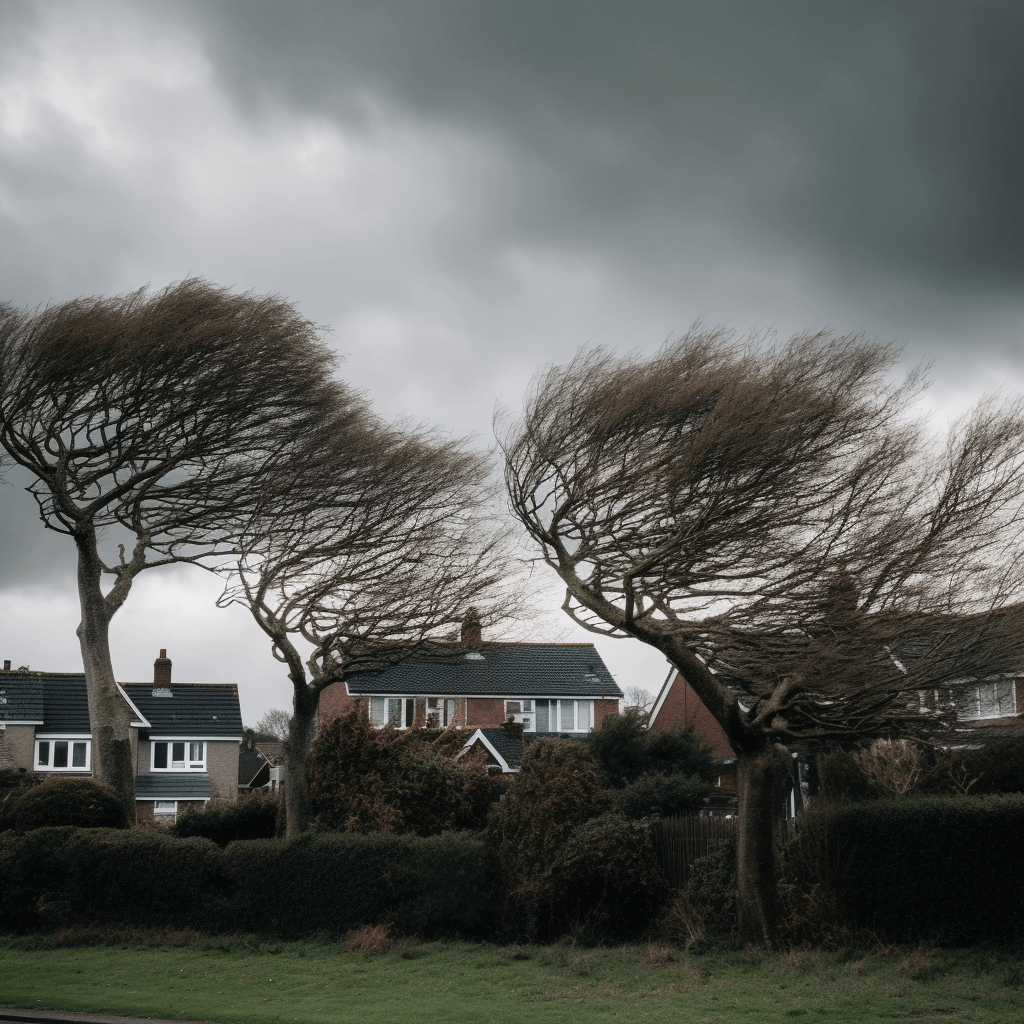
Windows, doors, roofs, fencing, unattached structures, siding, walkways, and more can all be damaged by severe wind. Wallace Law can help ensure your wind damage claim is paid.
December 29, 2022
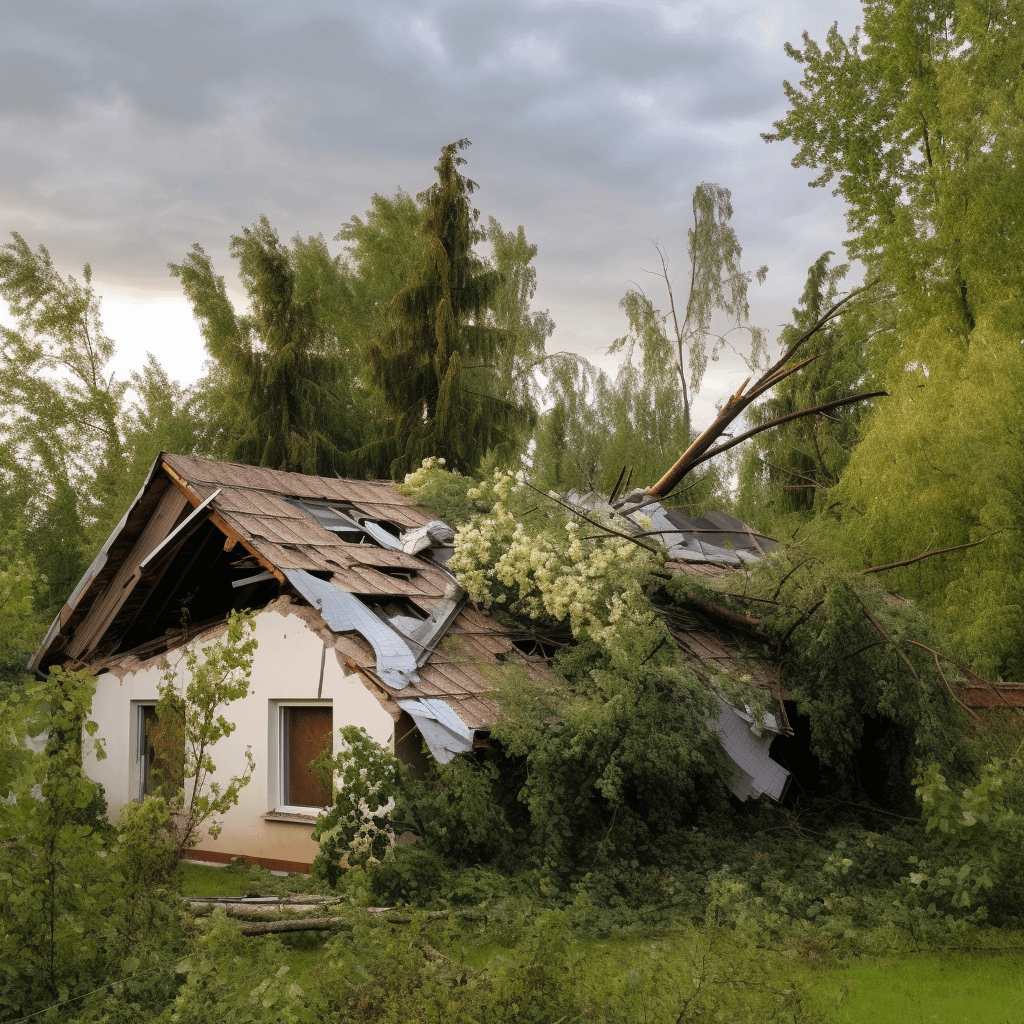
The United States experiences more than 1,200 tornadoes every year. A good tornado damage insurance policy can help you repair damage, restore property value, and ensure safety of your home after the tornado. If your insurance company is denying your tornado damage claim, contact a tornado damage lawyer at Wallace Law for help.
April 11, 2023
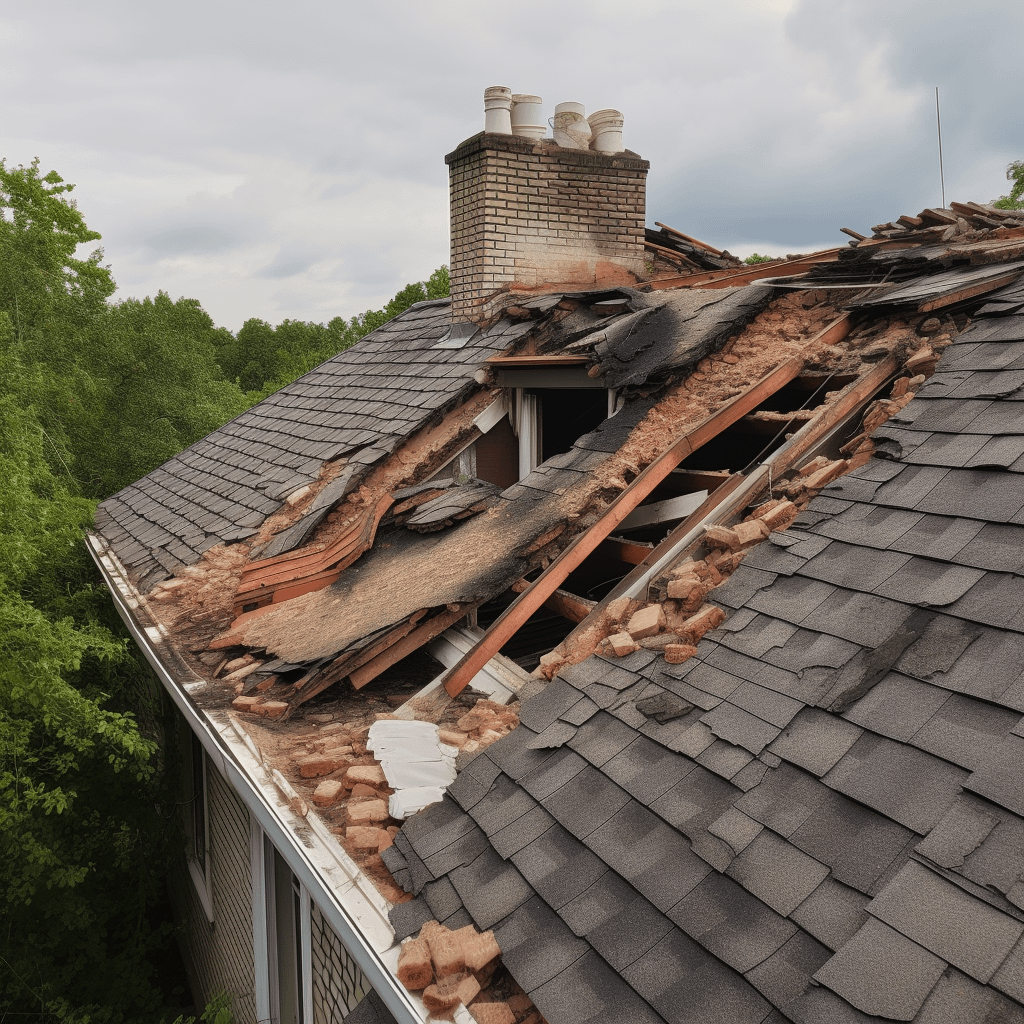
Roof damage is one of the most expensive repairs a homeowner faces. Find out how Wallace Law can help get your insurance to cover it.
August 8, 2023
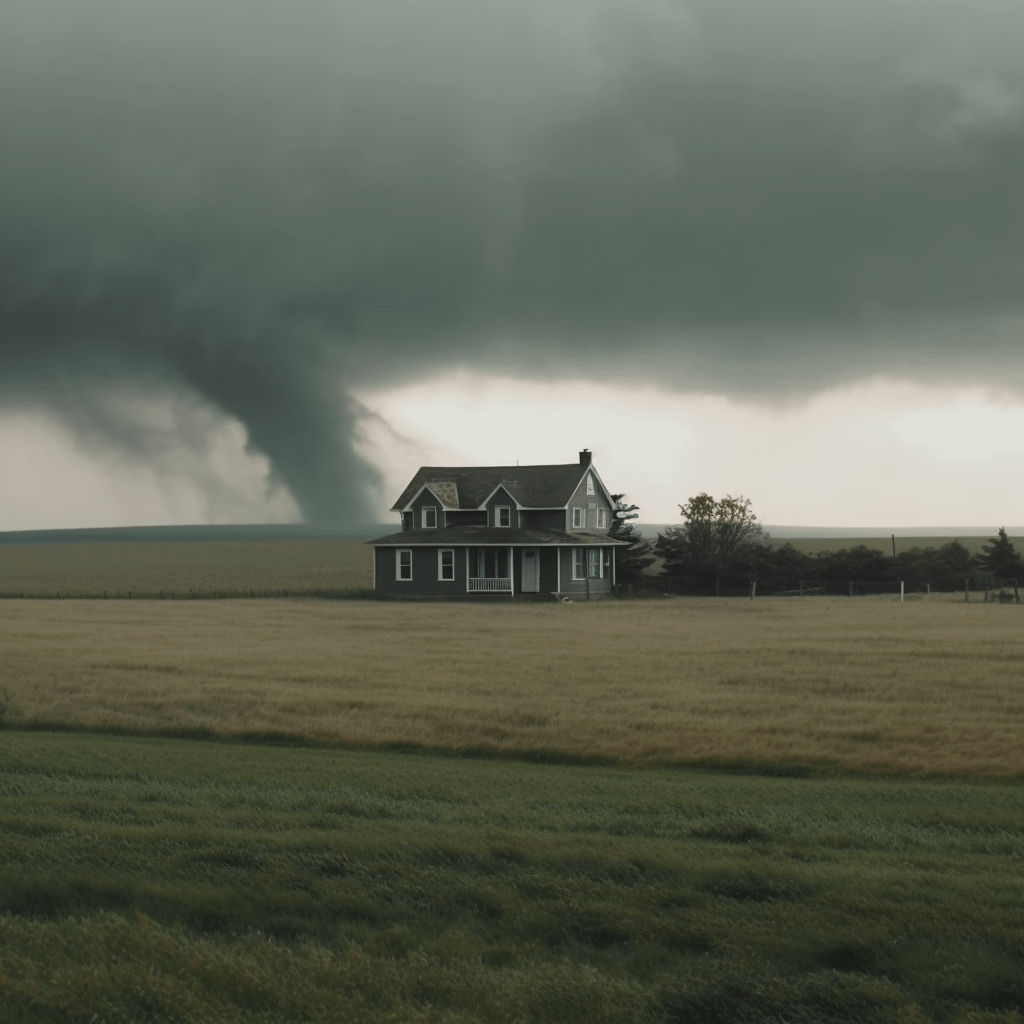
Wind and rain can cause severe damage and, sometimes, insurance policies refuse to pay what they owe. Discover what options are available to homeowners for rebuilding their properties.
October 2, 2023
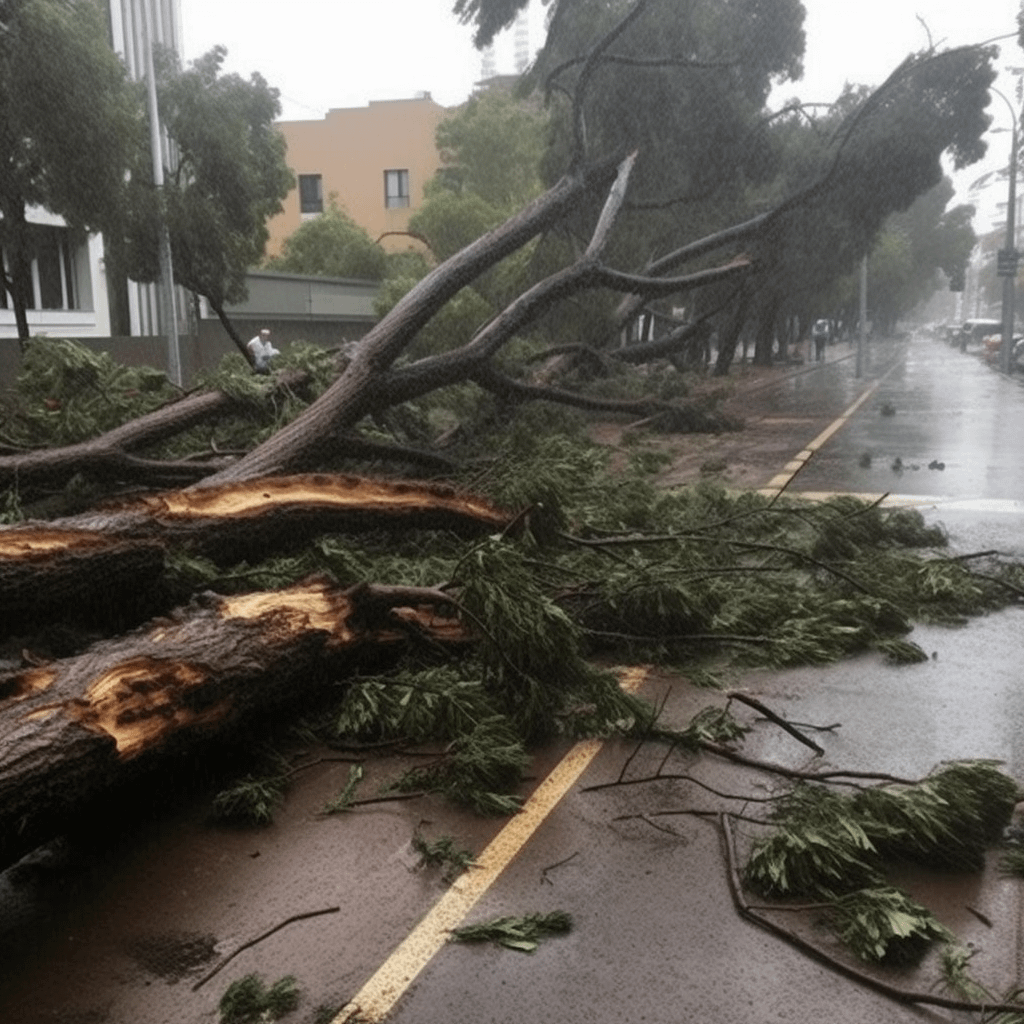
If you’ve been affected by a tornado, there’s no time to waste. While most basic homeowners policies do cover damage from tornadoes, an insurance company may deny your coverage for all the wrong reasons.
March 5, 2024
Typically, renters insurance may cover a number of expenses and losses stemming from sudden, accidental damage, provided that negligence was not the cause. Renters insurance is more likely to cover a sudden and unanticipated event that occurs in your dwelling like a burst water pipe (provided you were not somehow negligent). Generally, renters insurance will not cover water damage caused by a flood.
January 6, 2025
How Wallace Insurance Law Helps With Wind Damage Insurance Disputes
Wallace Insurance Law represents policyholders in insurance coverage disputes, including claims involving wind damage to fences and other structures. The firm’s work often involves reviewing policy language, analyzing coverage positions, and identifying whether insurers have properly applied exclusions, limits, and valuation methods.
With experience handling first-party insurance disputes, the firm focuses on enforcing the coverage policyholders paid for.
Understanding Your Coverage Before and After Wind Damage
Wind damage to a fence can raise questions about coverage, valuation, and responsibility that are not always obvious from the policy alone. While homeowners insurance may cover fence damage from wind in certain circumstances, coverage depends on the specific terms of the policy and how the insurer applies them.
Understanding whether insurance covers wind damage to fences, and what to do if a claim is denied or underpaid, can help property owners make informed decisions. If questions arise about coverage or claim handling, Wallace Insurance Law can review the situation and explain available options. Contact the firm today for a free consultation.
Get Started Right Now
Contact our team for help