
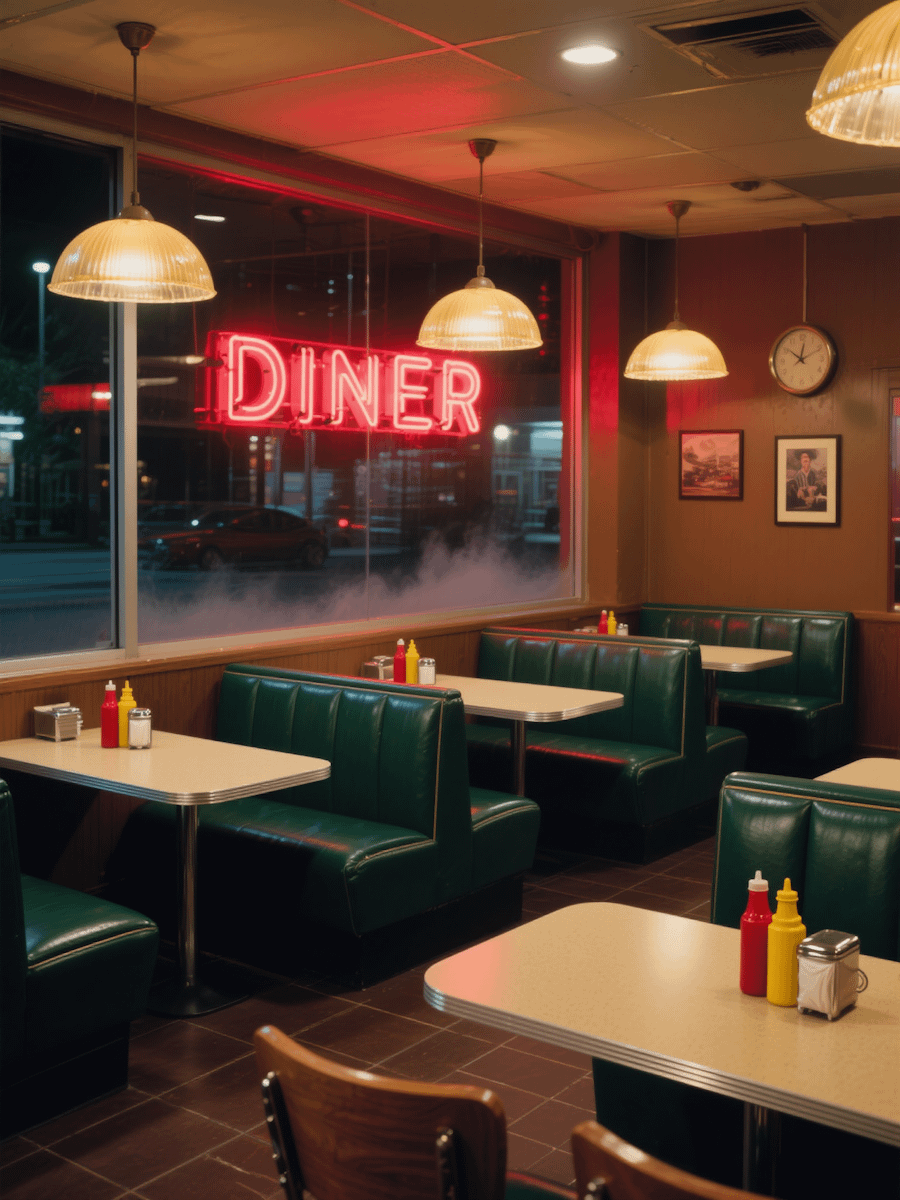
Restaurants are exposed to more physical risk than most businesses. Open flames, commercial ventilation systems, refrigeration units, plumbing lines, grease buildup, and heavy customer traffic create constant wear on the property. Add Wisconsin winters, hailstorms, wind damage, and spring flooding, and the exposure only increases. Having the right insurance coverage can mean the difference between getting back to work or dealing with frustrating delays.
Commercial property insurance is part of your Business Owners Policy, and it exists to protect the physical assets of the business. For a restaurant, that protection extends beyond four walls. It typically includes the structure, equipment, inventory, and in many cases, lost income when operations are forced to stop after covered damage. It does not cover liquor liability, workers’ compensation, or criminal activity, which fall under a different part of your restaurant insurance coverage policy.
Coverage depends on the policy language and endorsements attached to it. No two restaurant policies are identical, but all of them require that you file your claim within a year of the damage, or you can be barred from recovery. Everything else may differ based on the details of your business and your policy.
Business Property Insurance for the Building Itself
If the restaurant owns the building, the policy generally covers physical damage to the structure caused by covered perils.
That often includes damage from:
In Wisconsin, freeze-related pipe bursts are common. When temperatures drop quickly, plumbing lines in ceilings or exterior walls can rupture and flood the kitchen or dining area. Ice dams can damage roofing systems. Wind-driven rain and hailstorms can compromise exterior walls and roofing materials.
Business property insurance for the building usually includes structural components such as walls, roofing, permanently installed systems, electrical wiring, plumbing, and HVAC units. Fire suppression systems are also typically part of building coverage, which matters for restaurants operating commercial kitchens.
If the restaurant leases its space, the building itself may be insured by the landlord. That does not mean the restaurant has no property exposure. It means the focus shifts to improvements and business personal property.
Tenant Improvements and Build-Outs
Many privately owned restaurants, franchises, and chain locations lease their premises. When a restaurant invests in custom build-outs, those improvements often become the tenant’s responsibility.
Commercial property insurance may cover:
- Built-in bar areas
- Permanently installed kitchen hoods
- Custom flooring
- Interior partitions
- Decorative millwork
- Commercial-grade ventilation systems
These improvements are usually referred to as tenant improvements and betterments. If the restaurant paid for them, the restaurant typically insures them.
Insurance disputes can arise when a loss occurs and the insurer questions who owns what. Lease agreements often control this issue. Restaurants operating under franchise agreements may also face additional insurance requirements imposed by the franchisor.
Business Personal Property (BPP)
For restaurants, business personal property is where much of the value sits.
Commercial property insurance for restaurants generally covers repair or replacement costs for equipment and contents inside the building. That includes:
- Ovens, grills, and fryers
- Walk-in coolers and freezers
- Refrigeration units
- Prep tables and commercial mixers
- Point-of-sale systems
- Tables, chairs, and bar fixtures
- Inventory, including food and beverage stock
If a fire damages a commercial kitchen or a wind event tears part of the roof off, the damage is rarely limited to the structure. Smoke, water, and debris can destroy cooking equipment and contaminate food inventory.
Valuation becomes important here. Some policies pay replacement cost. Others apply depreciation and pay actual cash value unless certain conditions are met. Used equipment may be heavily depreciated even if replacing it requires a large out-of-pocket cost.
Inventory losses create another layer of complexity. If refrigeration fails after a storm-related power outage, spoilage coverage may apply, but only if the policy includes that endorsement.

Business Interruption Insurance
Business interruption insurance is part of commercial property insurance and is triggered by covered physical damage.
If a kitchen fire forces a restaurant to close for repairs, business interruption coverage may compensate the business for lost income during the period of restoration. It may also cover certain ongoing expenses such as rent, utilities, and payroll.
For restaurants in Sheboygan and surrounding areas, severe storms or water damage can shut down operations for weeks. During tourist season or summer lake traffic months, that lost income can be significant.
Disputes over business interruption claims often focus on:
- How long repairs should reasonably take
- Whether the restaurant could have reopened sooner
- How lost income is calculated
- Whether seasonal fluctuations should be considered
Restaurants with thin operating margins feel these delays quickly. The difference between a four-week restoration period and an eight-week restoration period can be substantial.
Equipment Breakdown Coverage
Not all property damage is caused by fire or wind. Mechanical failure is common in restaurant environments.
Equipment breakdown coverage may apply when:
- A refrigeration compressor fails
- A boiler malfunctions
- An electrical panel shorts internally
- A motor burns out
Standard commercial property insurance does not always cover internal mechanical breakdown. Restaurants often need a specific endorsement.
When refrigeration systems fail, the financial impact extends beyond the equipment itself. Spoiled inventory can represent thousands of dollars in loss. Insurers frequently examine whether the failure resulted from wear and tear or a covered breakdown.
Outdoor Property and Signage
Restaurants often invest in exterior signs, patio seating, fencing, and outdoor lighting. Commercial property insurance may provide limited coverage for these items.
Coverage limits for outdoor property are typically lower than limits for the building. Wind and snow load can damage signage and patio structures. In winter months, accumulated snow and ice can compromise awnings and exterior fixtures.
Restaurant owners sometimes assume these items are fully insured under the building limit. They often are not.
What Commercial Property Insurance Does Not Cover
Commercial property insurance for restaurants does not cover every risk the business faces.
Common exclusions include:
- Flood damage without a separate flood policy
- Sewer backup without an endorsement
- Gradual deterioration or maintenance issues
- Earth movement
- Employee theft without crime coverage
- Liquor liability claims
- Customer injury claims
Property coverage and liability coverage are separate components. A policy described as commercial property and casualty insurance for restaurants may include both property and liability coverage, but each operates under different terms.
For Wisconsin restaurants located near waterways or in flood-prone zones, separate flood insurance may be necessary. Standard commercial property policies typically exclude flood damage.
How Differences Between Independent Restaurants, Chains, and Franchises Can Affect an Insurance Claim
Coverage structure can vary depending on the ownership model.
Privately owned restaurants may own both the building and contents. Their coverage is usually customized to the property and equipment values.
Chain restaurants often lease space and operate under centralized insurance programs. Losses may be handled through corporate insurance structures.
Franchise restaurants typically carry coverage that meets franchisor requirements. Franchise agreements often dictate minimum limits and required endorsements. Disputes can arise over which entity is responsible for insuring specific property.
The physical risks remain similar, but the insurance structure may differ.
Common Insurance Dispute for Restaurant Owners and Operators
Commercial property insurance claims for restaurants are frequently contested in specific areas.
Your insurance company may argue that damage resulted from pre-existing deterioration rather than a covered event. They may apply significant depreciation to equipment. They may dispute the cause of loss when wind and wear both appear to play a role.
Business interruption claims often generate disagreement over revenue projections and restoration timelines. Ordinance and law upgrades required by Wisconsin building codes can create additional costs that are not fully covered without specific endorsements.
The policy language governs these issues. Coverage turns on definitions, exclusions, valuation provisions, and endorsements.
Wisconsin’s One-Year Deadline for Property Insurance Lawsuits
Restaurant owners in Wisconsin should also be aware of an important timing issue. Under State law, many commercial property insurance policies include a shortened limitation period that requires any lawsuit against the insurer to be filed within one year of the date of loss. This is often tied to Wisconsin Statute § 631.83 and is reinforced in the policy’s “Suit Against Us” provision.
That one-year deadline is significantly shorter than the general six-year contract statute of limitations that applies in many other contexts. If a restaurant suffers fire damage, wind damage, water loss, or another covered event, the clock may begin running on the date the damage occurred, not the date the claim was denied.
This matters because coverage disputes can stretch on for months. The insurance company may continue investigating, requesting documents, or negotiating while the deadline approaches. If the one-year period expires before legal action is filed, the right to sue under the policy can be lost entirely.
Restaurant owners dealing with substantial property damage should not assume they have unlimited time to resolve a dispute. Reviewing your policy’s limitation provision early can prevent a missed deadline.
Wallace Law Fights for Restaurateurs Facing Commercial Property Insurance Disputes
Commercial property insurance is designed to protect physical assets and income when covered damage occurs. For restaurants in Wisconsin communities like Sheboygan, exposure to fire, wind, freeze-related damage, and water loss makes that protection critical.
Coverage depends on what the policy actually says. Building coverage, business personal property, business interruption, equipment breakdown, and spoilage endorsements all play a role. When a claim is denied or limited by an insurance provider, the dispute usually centers on those terms.
Understanding what commercial property insurance covers for a restaurant starts with the structure of the policy. The details determine what is paid and what is not. Contact Wallace Law today for help with your claim or dispute.
Get Started Right Now
Contact our team for help