

When your home is damaged by a storm, fire, or other disaster, you expect your insurance company to help you recover. After all, you’ve paid your premiums and followed the rules. Unfortunately, many homeowners quickly discover that the claims process is not designed to make things easy.
Insurance companies are businesses, and their priority is protecting profits. To do that, insurers rely on trained claims adjusters whose job is to limit payouts whenever possible. While some adjusters handle claims fairly, others use subtle tactics that delay, reduce, or derail valid home insurance claims altogether.
Understanding common home insurance claim adjuster secret tactics can help you recognize red flags, avoid costly mistakes, and protect your right to full compensation under your policy.
What Does a Home Insurance Claims Adjuster Actually Do?
A claims adjuster is assigned to investigate your loss and determine how much the insurance company should pay. They review your policy, inspect the damage, and prepare an estimate that becomes the foundation of your settlement offer.
Although adjusters may appear neutral, it’s important to remember they work for the insurance company—not for you. Their evaluations are influenced by internal guidelines, cost-control goals, and claim-handling metrics that reward fast closures and reduced payouts. This conflict of interest is where problems often begin.
How Adjusters Evaluate Home Insurance Claims
When evaluating a claim, adjusters focus on several key factors: the cause of the damage, whether the policy provides coverage, the extent of the loss, and the estimated cost of repairs.
Much of this process involves judgment calls. Two adjusters can inspect the same home and reach very different conclusions about coverage and value. That subjectivity creates opportunities for underpayment—especially when homeowners are unfamiliar with policy language or repair costs.
Common Home Insurance Claim Adjuster Secret Tactics
Insurance adjusters rarely deny claims outright without explanation. Instead, many rely on quieter strategies that place pressure on homeowners over time.
Delays that Wear You Down
One of the most common tactics is delay. Adjusters may take weeks to inspect the property, fail to return calls, repeatedly change assigned adjusters, or request documents in stages rather than all at once.
These delays can be devastating for homeowners who need immediate repairs. Over time, frustration pushes many people to accept settlements far below what their policy actually allows.
Excessive Documentation Requests
Another common strategy involves demanding large volumes of paperwork—sometimes documents that have little to do with the claim itself. Maintenance records from years prior, duplicate forms, or repeated proofs of loss are often requested.
While insurers are allowed to investigate claims, excessive documentation requests can be used to stall the process or search for minor inconsistencies that justify reducing payment.
Minimizing or Ignoring Damage
Adjusters may downplay the scope of loss by excluding hidden structural damage, overlooking water intrusion, or relying on software estimates that fail to reflect real-world construction costs. Homeowners often discover that their insurance estimate doesn’t come close to what licensed contractors charge to complete the repairs safely and properly.
Recorded Statements Used Against You to Get You to “Admit Fault”
Many adjusters request recorded statements early in the claim process, presenting them as routine. In reality, these statements may later be used to dispute timelines, question causation, or suggest that damage existed before the loss occurred.
This is why understanding how to talk to insurance claims adjusters is so important. Casual comments can easily be taken out of context and used to support a denial.
Misrepresenting Policy Coverage
Insurance policies are complicated legal contracts, and many homeowners rely on adjusters to explain what is or isn’t covered. Unfortunately, adjusters may interpret exclusions narrowly, overlook endorsements, or incorrectly state that certain damage is not covered at all.
What an adjuster says is not legally binding. Coverage depends on the policy language, not the insurer’s interpretation of it.
Quick, Low Settlement Offers
After a loss, insurers often make early settlement offers before the full extent of damage is known. These offers may seem helpful, especially when repairs are urgent, but they frequently fail to account for supplemental damage discovered later. Once a homeowner signs a release, the claim is usually closed permanently, even if additional damage appears weeks or months afterward.

Do Insurance Claims Adjusters Get Bonuses for Denying Coverage?
Many homeowners wonder whether adjusters are financially rewarded for denying or underpaying insurance claims. While insurers don’t openly label incentives as “denial bonuses,” many companies use performance metrics tied to claim severity, payout averages, and closure speed. These systems can indirectly encourage lower settlements.
Understanding these internal pressures helps explain why legitimate claims are sometimes treated like negotiations instead of contractual obligations.
How to Deal with an Insurance Claims Adjuster
The way you interact with an adjuster can significantly affect your claim. Documenting damage thoroughly, communicating in writing when possible, and avoiding speculation about cause or timing can help protect your position.
Most importantly, never feel rushed to settle. Insurance claims are financial decisions with long-term consequences, and once a release is signed, your leverage disappears.
How to Negotiate a Settlement with an Insurance Claims Adjuster
Negotiating with an insurer is not the same as negotiating with a contractor. Adjusters rely on proprietary estimating software, internal valuation rules, and legal guidance.
Successful negotiation often requires independent repair estimates, expert opinions, documentation of policy provisions, and knowledge of insurance regulations. Without that leverage, homeowners may struggle to overcome low initial offers.
Related Blog Posts
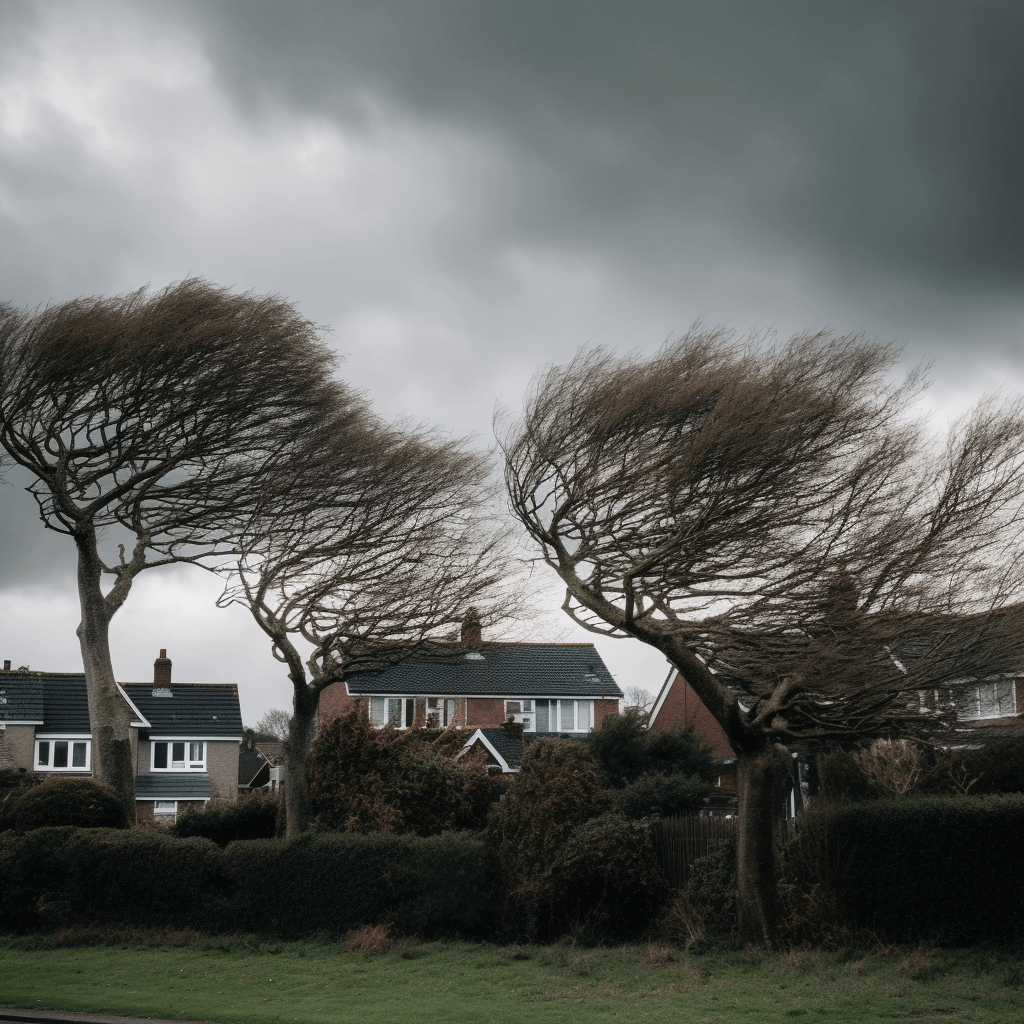
Windows, doors, roofs, fencing, unattached structures, siding, walkways, and more can all be damaged by severe wind. Wallace Law can help ensure your wind damage claim is paid.
December 29, 2022
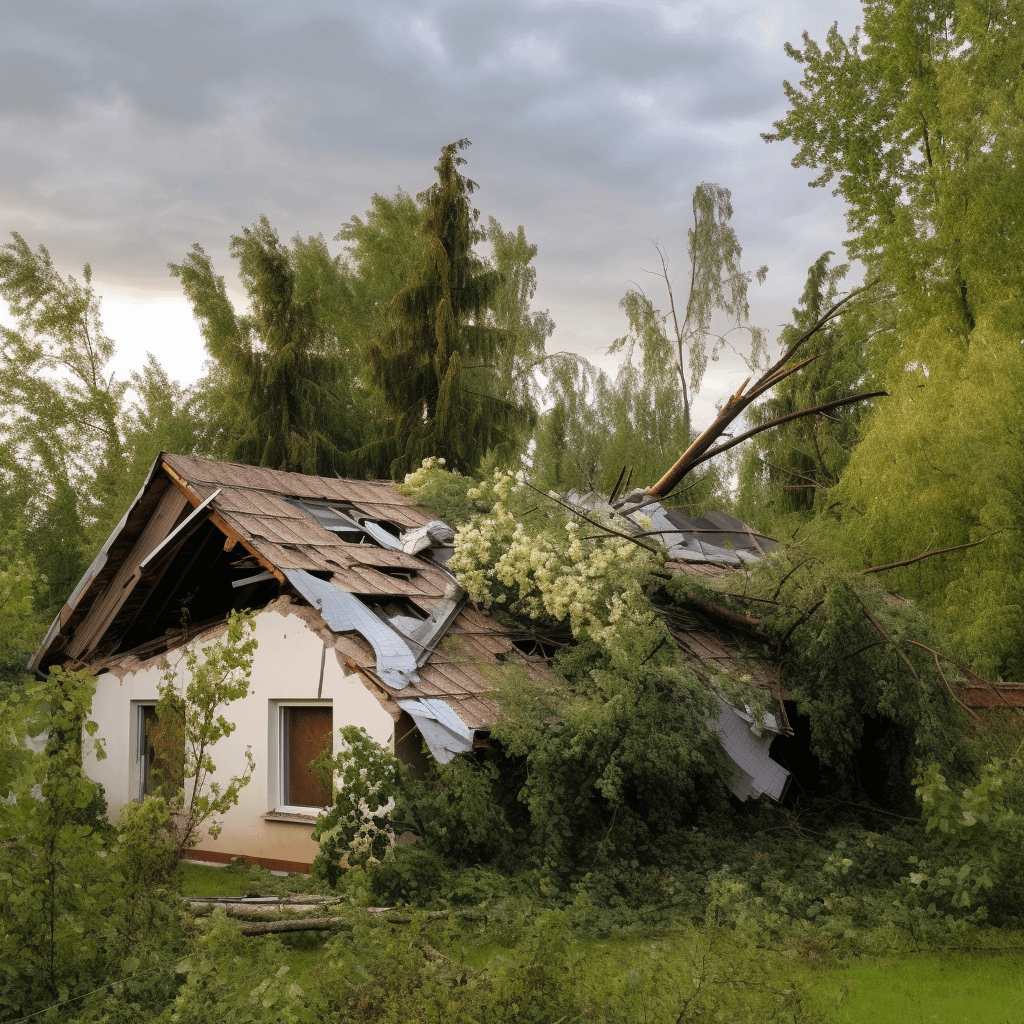
The United States experiences more than 1,200 tornadoes every year. A good tornado damage insurance policy can help you repair damage, restore property value, and ensure safety of your home after the tornado. If your insurance company is denying your tornado damage claim, contact a tornado damage lawyer at Wallace Law for help.
April 11, 2023
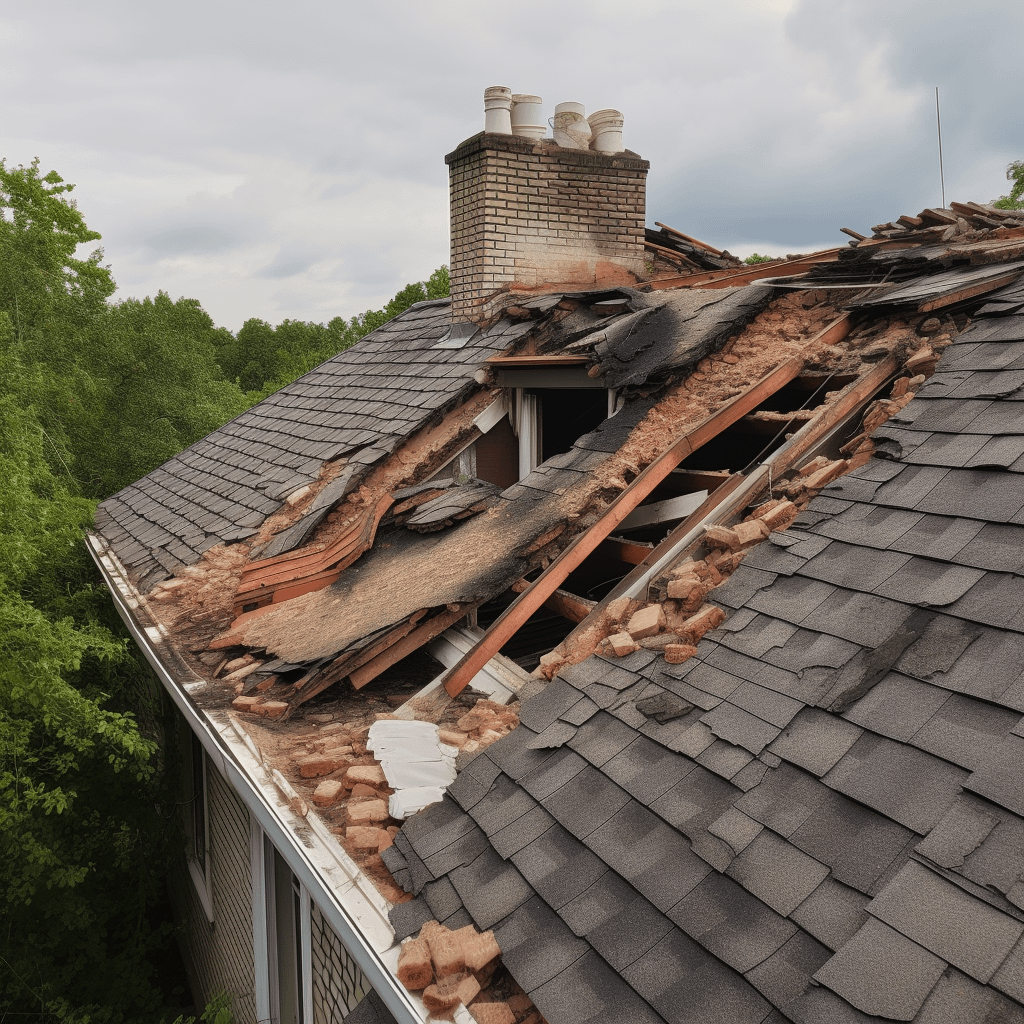
Roof damage is one of the most expensive repairs a homeowner faces. Find out how Wallace Law can help get your insurance to cover it.
August 8, 2023

Wind and rain can cause severe damage and, sometimes, insurance policies refuse to pay what they owe. Discover what options are available to homeowners for rebuilding their properties.
October 2, 2023
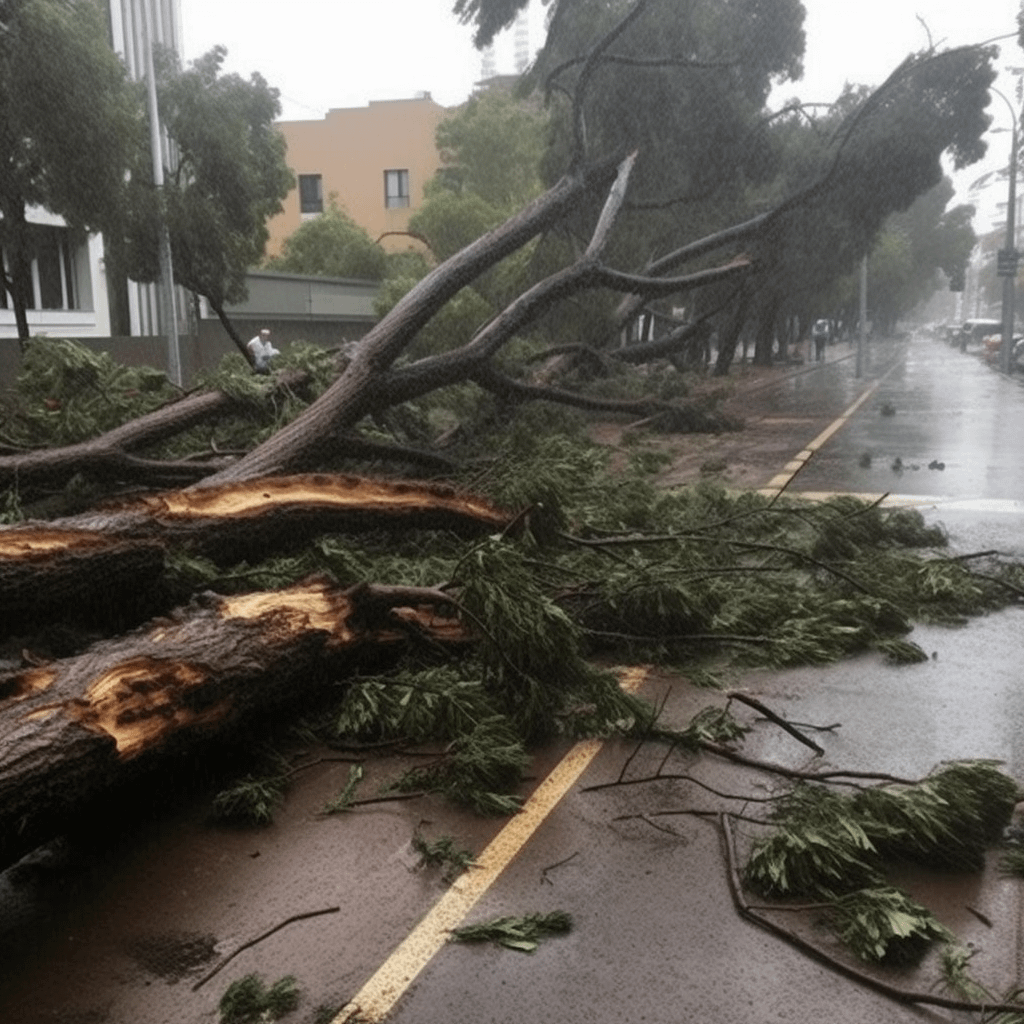
If you’ve been affected by a tornado, there’s no time to waste. While most basic homeowners policies do cover damage from tornadoes, an insurance company may deny your coverage for all the wrong reasons.
March 5, 2024
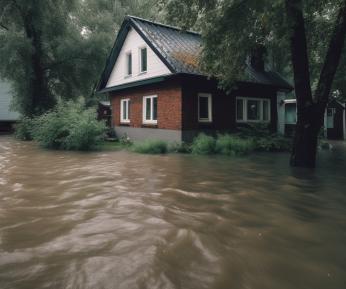
Typically, renters insurance may cover a number of expenses and losses stemming from sudden, accidental damage, provided that negligence was not the cause. Renters insurance is more likely to cover a sudden and unanticipated event that occurs in your dwelling like a burst water pipe (provided you were not somehow negligent). Generally, renters insurance will not cover water damage caused by a flood.
January 6, 2025
When Adjuster Conduct Becomes Insurance Bad Faith
Insurance companies are legally required to handle insurance claims promptly and fairly. Bad faith may occur when an insurer unreasonably delays investigation, ignores evidence, misrepresents policy language, or denies coverage without a valid basis. When bad faith occurs, homeowners may be entitled to compensation beyond the value of the claim itself.
How Wallace Insurance Law Can Help You Fight Back Against False Promises
If your home insurance claim has been delayed, undervalued, or denied without a clear explanation, you may be facing more than routine paperwork issues. At Wallace Insurance Law, we represent homeowners whose insurance companies fail to honor their obligations. We understand the tactics insurers use and know how to challenge improper claim handling.
Our firm helps policyholders pursue full benefits, confront unfair denials, and hold insurers accountable when they place profits over people.
Don’t Let Insurance Adjuster Tactics Decide Your Recovery
Insurance adjusters count on homeowners not knowing their rights. The more you understand about home insurance claim adjuster secret tactics, the harder it becomes for insurers to take advantage of you.
If something about your claim doesn’t feel right, trust your instincts. Getting legal guidance early from an attorney experienced in homeowner’s insurance claims can mean the difference between a fair recovery and a costly loss.
Contact Wallace Insurance Law for a Free Consultation on How You Can Seek a Fair Settlement in Your Case
Contact Wallace Insurance Law today for a free consultation to discuss your insurance claim and learn how we can help you protect your home, your policy, and your future. We will help you fight for a fair settlement that covers your property damage.
Get Started Right Now
Contact our team for help