
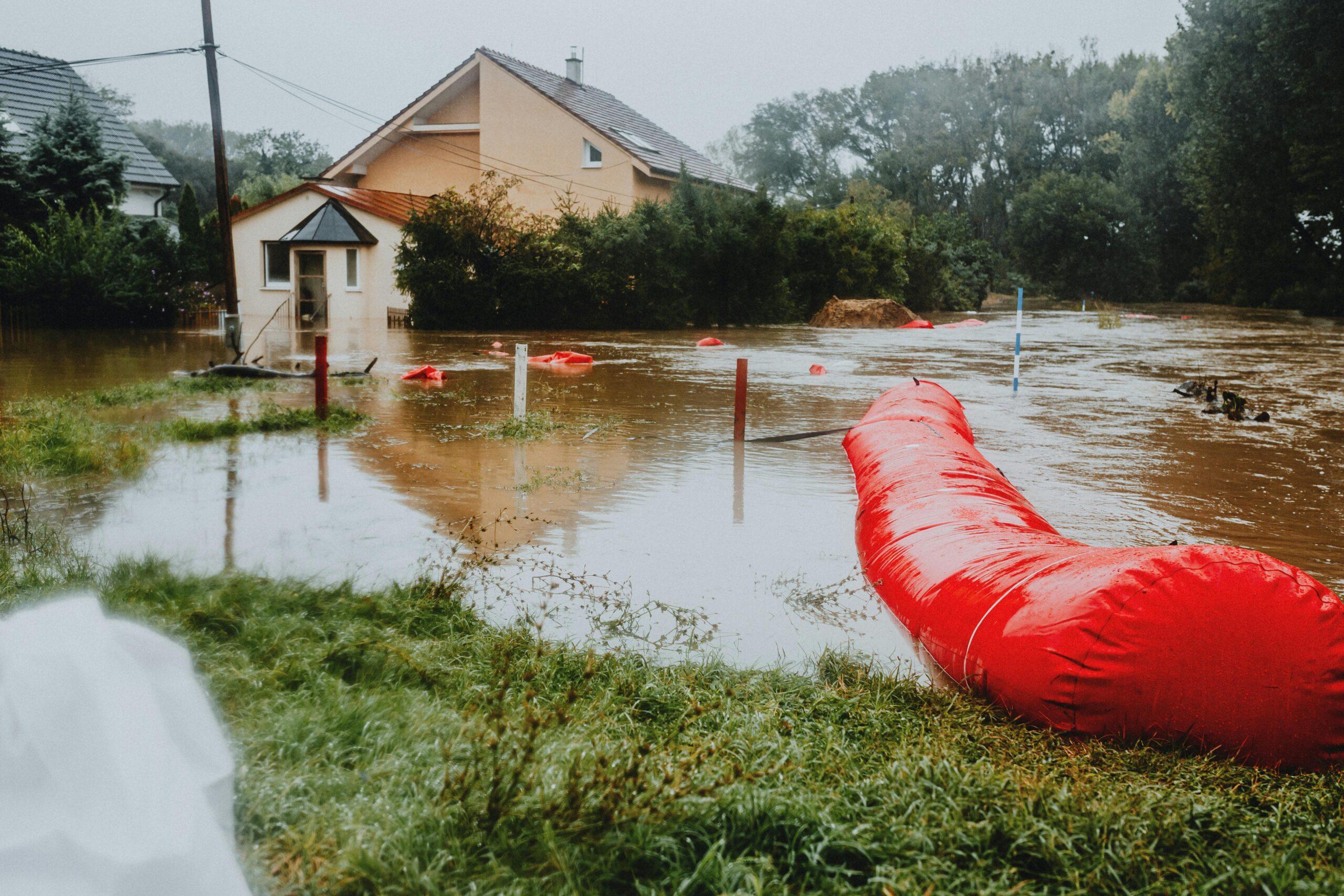
When you purchased your homeowners’ insurance policy, you probably hoped you’d never need to file a claim. Unfortunately, the day finally came when a natural disaster or structural issue caused extensive water damage.
The aftermath of a flood can be stressful and destabilizing, but when you have insurance coverage, you might think that getting reimbursed for repairs is as simple as filing a claim. Unfortunately, insurance companies don’t always honor their obligations. If your home is flooded and your insurance company won’t pay, don’t panic! When you understand some of the most common reasons for denials and how to address them, it may be possible to get your claim approved.

Why Flood Damage Insurance Claims Are Regularly Denied
Facing the aftermath of a natural disaster like a flood can be one of the most challenging experiences for any homeowner. Your first priority should always be the safety of your family — make sure everyone is out of harm’s way and in a secure location before turning your attention to your property. Once you’re safe, it’s time to assess the extent of the flood damage and begin the recovery process.
As you begin the recovery process, prioritize debris removal and mitigation efforts to prevent further damage. Investing in equipment like portable generators, gas containers, and heavy-duty extension cords can help you restore essential services to your property. For larger cleanup efforts, consider hiring temporary laborers and, if necessary, an off-duty police officer to help secure your property and valuable equipment during this vulnerable time.
Your insurer may have denied your claim on the grounds that your policy does not cover flood damage. However, you shouldn’t assume that a denial is the end of the road. Some companies rely on unethical insurance practices to avoid paying claims even when they are valid. If your claim has been denied but you believe it should be covered by your policy, get in touch with a water damage claim lawyer as soon as possible. The Wallace Law team can help you understand whether the denial was legitimate or made in bad faith.
These are some of the most common reasons homeowners’ insurance companies deny flood damage claims.
Your Policy Doesn’t Cover Flood Damage
Lack of flood insurance is the most common reason for claim denial. Homeowners in flood-prone areas are often required to purchase flood insurance if they have a mortgage. Unfortunately, standard homeowners’ insurance policies don’t cover damage due to flooding. Flood insurance is essential for homeowners in areas that frequently experience flooding. If you don’t have a separate policy or endorsement that covers flood damage, getting compensation can be very difficult.
The Damage Was Gradual or Due to Poor Maintenance
Even if you have a flood insurance policy, that doesn’t mean that all water damage will be covered. Most flood insurance policies (and homeowners’ insurance policies in general) don’t cover water damage due to sewer backups.
Gradual damage is also usually not covered. For example, if you’ve seen water gradually seep into your basement for months and finally decide to file an insurance claim, your insurer might decline to cover the damage.
You Missed a Deadline
Always be mindful of deadlines. If you fail to file a claim by the required date, the company may deny it, and you’ll be left without recourse.
You Didn’t Provide Documentation
Thoroughly document the flooding and resulting damage before performing any temporary repairs. Documenting all damage from flooding is crucial for potential assistance applications — be sure to save all evidence, such as photos, videos, and receipts, and keep records of everything related to the flood. When you have clear and plentiful photos and videos of the damage to show your insurer, your claim may be more difficult to deny.
Does Renters’ Insurance Cover Flood Damage?
If you’re renting a house or apartment, your landlord’s insurance policy will cover damage to the structure of the home itself. However, it won’t reimburse you if your belongings are destroyed.
To protect yourself, it’s a good idea to have renters’ insurance. But like homeowners’ insurance, renters’ insurance doesn’t cover damage from every peril. Before purchasing coverage, you might want to know if renters’ insurance covers flood damage.
Unfortunately, standard renters’ insurance policies don’t cover belongings destroyed by flooding. Even if your landlord has a separate flood insurance policy for the property, that policy will not reimburse you for your damaged items.
If you rent your home and are concerned about flood damage, consider purchasing flood insurance for renters from the National Flood Insurance Program (NFIP). This is the same government agency that offers flood insurance policies for homeowners.
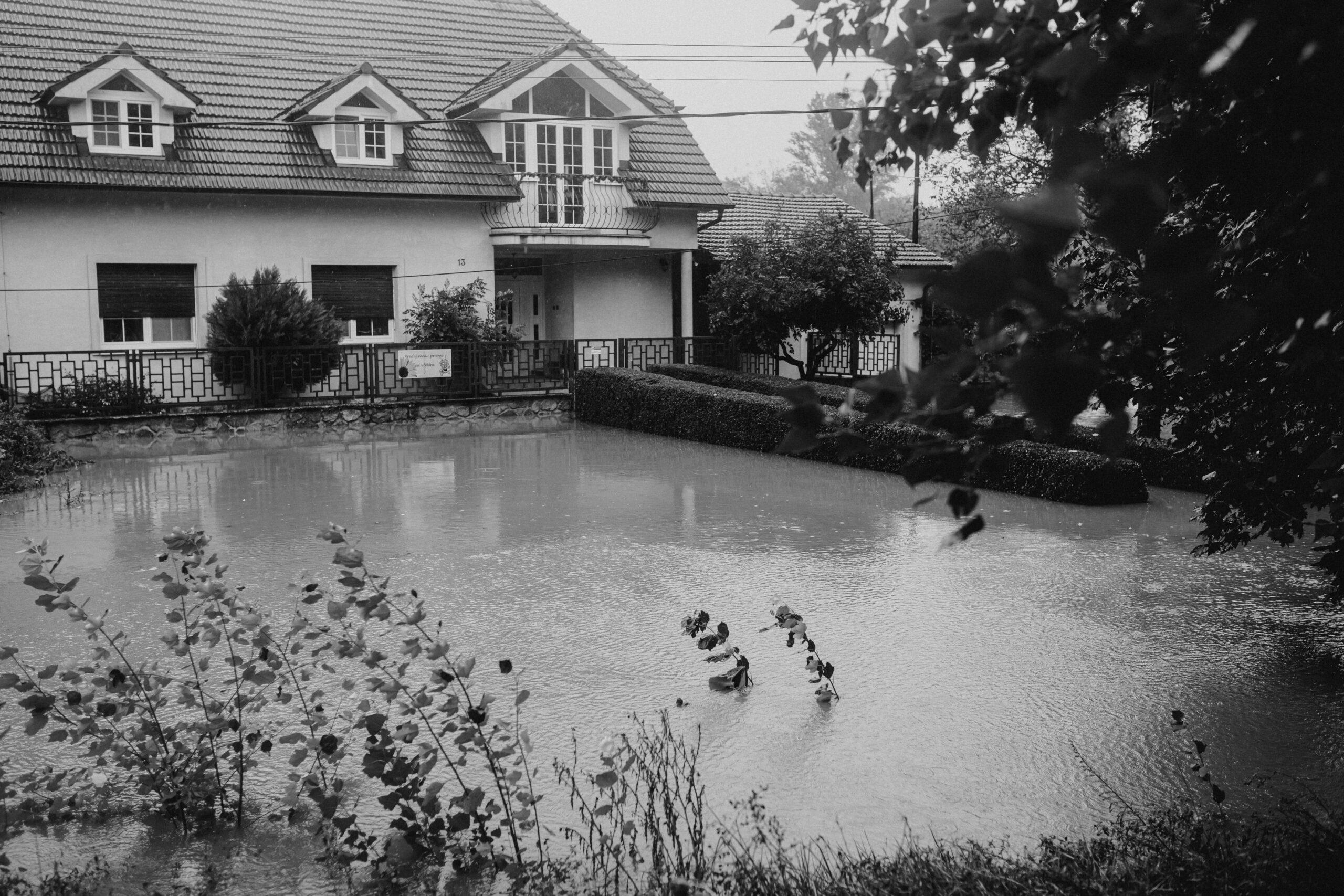
Should Homeowners’ Insurance Cover Mold Insurance Claims?
Mold damage can be catastrophic to your health and the structure of your home, especially if it isn’t caught early. Homeowners’ insurance doesn’t always cover mold damage, so figuring out whether your claim should be covered can be tricky.
Your insurance provider is more likely to cover your mold insurance claim if both of the following are true:
- The mold was the result of sudden damage
- The sudden damage arose from a covered peril
Many flooded homes ultimately develop mold damage. Mold damage due to flooding would qualify as damage due to a sudden event. However, whether that mold damage is covered will depend on whether your homeowners’ insurance policy covers flooding.
What to Do Immediately After a Flood Claim Insurance Denial
When you put together your water damage insurance claim, take the time to fully document the damage to your home. The more high-quality evidence you can provide, the harder it becomes for the insurer to deny your claim.
Unfortunately, even legitimate, substantiated claims can be denied. If your insurance company denies your claim, here’s a look at what to do next.
Review the Reason for Denial
Upon getting an insurance denial, many people panic and start planning how to pay for repairs on their own. However, there’s a chance that your denial was made in error. Even if it wasn’t, you still may be able to get your claim covered.
When an insurer denies a claim, it must send a letter clearly stating the reasons for the denial. Before you do anything else, take a careful look at your denial letter. Make sure you fully understand the reasoning in the letter. If you’re having trouble determining why your claim was denied, get in touch with your insurance agent.
Review Your Policy
Once you understand why your claim was denied, it doesn’t hurt to review your policy. If your policy clearly states that your claim should have been covered, something may be amiss.
Most people aren’t used to navigating the language used in insurance policies. If you’re having trouble determining what your policy says about your claim, our insurance lawyers can help.
Talk to Your Insurance Company
If your insurance company has denied something that your policy says should be covered, it may be helpful to get in touch with your insurance agent and explain why you think the decision was made in error.
In some cases, a simple conversation can resolve the issue. However, the more likely scenario is that you’ll need to file an appeal.
File an Appeal
Each insurance company sets its appeal deadlines. If you have flood insurance through the NFIP, you must file an appeal through FEMA. FEMA gives you 60 days from the date of your claim denial to appeal.
Seek Legal Advice
You are not required to retain an attorney when filing an appeal. However, our team of insurance attorneys has made it our mission to overcome baseless denials. If you think filing an appeal is your next step, ask us to help you put it together.
We may also be able to help if you’ve already filed an appeal. Let us review your case. If we believe that the insurance company’s denial was made in bad faith, we may offer to represent you.
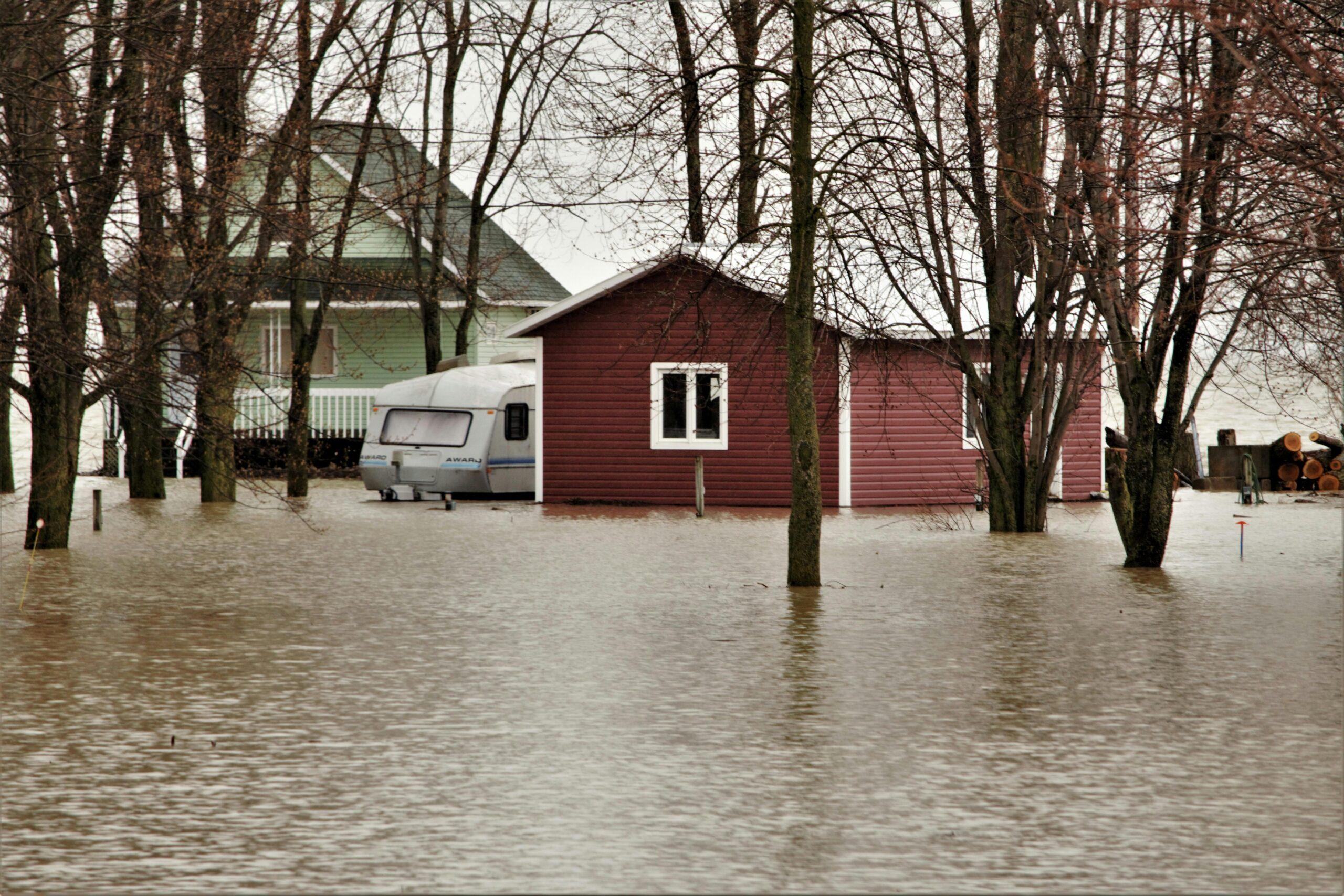
Can I Sue My Insurance Company for Emotional Distress After a Denied Flood Damage Claim?
If you’ve unsuccessfully been through the appeals process, you might consider filing a lawsuit for a denied claim. The primary goal of this type of insurance lawsuit is to get the provider to cover your original claim.
However, you can also request compensation for other losses. In rare cases, a bad-faith insurance lawsuit can result in a financial award for emotional distress. To be eligible, you need strong evidence that shows the impact of the situation on your mental health. That might include the following:
- Records or notes from your therapist or another mental health professional
- Statements from witnesses about your mental health
- Personal journals detailing your emotional reactions
Unfair claim denials aren’t the only way that an insurance company can act in bad faith. For example, if your insurance company is stalling, it may be trying to get you to give up your claim (or accept an eventual lowball settlement).
How Long Does the Flood Insurance Claim Process Take?
If your home has suffered flood damage, you probably hope to resolve the issue right away. However, it can take up to 30 days just for your insurance company to make a decision. If it initially denies the claim, the process may be much longer.
The NFIP gives policyholders 60 days to file an appeal, though the deadline for private insurers is generally longer. If your appeal is denied, you might choose to file a bad faith insurance lawsuit. These lawsuits sometimes take years to resolve.
You Need to Talk to a Flood Damage Claim Lawyer ASAP if Insurance Won’t Pay
Unless you’ve spent years becoming familiar with the insurance industry, it’s hard to understand when an insurer’s denial is legitimate and when it’s acting in bad faith. That’s why you need a flood damage claim lawyer.
When you work with Wallace Law, our team looks closely at your situation and determines whether your flood damage claim should be covered. If your insurance company is unreasonably denying or delaying your claim, we could negotiate with the insurer or even file a bad faith insurance lawsuit on your behalf.
If your flood insurance provider refuses to pay your claim, get in touch online to schedule your free consultation today.

Your Fight Ends Here
Contact Wallace Law Today