

Homeowners insurance sometimes pays for window replacement, but coverage depends on why the window was damaged. Policies are built to address sudden physical loss caused by a covered peril, not problems that develop gradually over time.
In Wisconsin, severe weather is a common source of property claims. High winds, hail, heavy snow, and freeze-thaw conditions can all affect exterior features of a home, including windows. Coverage can also depend on the area you live in, as some regions are at higher risk for certain perils than others. (Events such as hurricanes, tornadoes, and other weather disasters are typically covered perils under standard homeowners insurance policies.)
When Homeowners Insurance Will Cover Window Replacement
Homeowners insurance is designed to cover sudden, accidental physical damage caused by a covered peril. When a window is broken or damaged by an identifiable event, coverage is often available.
Common covered scenarios include:
- Wind pressure shattering or damaging window panes
- Hail impact cracking glass or denting window frames
- A tree limb falling during a storm
- Debris striking the home in high winds
- Vandalism from break ins or other acts
- Accidental breakage from sports equipment or yard maintenance
- Fire damage affecting window frames or glass
In Wisconsin, wind and hail claims are common. Severe thunderstorms can drive debris into windows or crack glass outright. Winter storms can also cause ice accumulation that leads to breakage. When the damage can be traced to a specific weather event, insurers typically treat it as a covered loss, subject to the deductible and policy limits.
Coverage generally extends to restoring the damaged window to its pre-loss condition. That does not automatically mean every window in the home will be replaced. Insurance is intended to repair or replace what was damaged, not upgrade undamaged components. If you need to file a window replacement claim, be sure to document the damage thoroughly to support your covered claim and help ensure your window repair or replacement is reimbursed according to your policy.
When Homeowners Insurance Will Not Cover Window Replacement
Most window disputes arise when the damage develops gradually rather than from a single event. Homeowners insurance policies do not cover wear and tear, so gradual deterioration is typically excluded from coverage.
Homeowners insurance policies usually exclude:
- Rot from long-term moisture exposure
- Deterioration of wood frames
- Fogging or seal failure between panes
- Cracks caused by structural settling
- Wear and tear from age
- Damage tied to improper installation
- Damage tied to mold
- Termite or rodent infestation
Broken window seals are often not covered because they result from normal wear and tear rather than unexpected incidents. If a window begins leaking because caulking has failed over time, the insurer may classify that as a maintenance issue. It is important to regularly maintain your windows to prevent damage and avoid claim denials related to neglect. If wood framing rots after years of moisture exposure, that typically falls under deterioration exclusions.
Homeowners often discover these issues during inspection or remodeling and assume coverage will apply. Insurance carriers frequently deny these claims because the damage did not result from a sudden covered event.
The distinction between sudden damage and gradual failure is central to whether your claim is paid.
Window Leaks: Covered by Insurance or Not?
Leak-related water damage claims are among the most confusing.
If a windstorm damages flashing around a window and rain enters immediately afterward, the damage may be covered. The cause in that scenario is storm damage.
If water enters slowly over time due to aging seals or failed caulking, the insurer will likely categorize the issue as long-term deterioration. In Wisconsin, freeze-thaw cycles can accelerate seal failure, but insurers often argue that those cycles reflect ordinary environmental exposure rather than a discrete covered loss.
The key question is what caused the leak. A sudden storm event is treated differently than gradual wear.
Will My Homeowners Insurance Replace All of My Windows?
Many homeowners want to know whether insurance will pay to replace every window if one is damaged.
In most cases, the policy covers only the damaged window. Insurance is not intended to fund full-home upgrades. However, disputes arise when the damaged window cannot be matched to existing windows because the model has been discontinued or the finish has faded.
Some policies include matching provisions or allow consideration of uniform appearance. Others do not. In those cases, the insurer may offer to replace only the damaged unit.
The outcome depends on policy language and the specific facts. The question is not whether replacing all windows would look better, but whether the policy requires it.

Replacement Cost vs. Actual Cash Value for Window Claims
The type of valuation in the policy also affects window replacement claims.
Replacement cost value pays the cost to repair or replace the damaged window without deducting depreciation, assuming policy conditions are met. Actual cash value coverage deducts depreciation based on age and condition.
Older windows may have substantial depreciation applied. A homeowner expecting full replacement cost may instead receive a reduced payment for window repair unless the policy includes replacement cost coverage for dwelling components.
Some policies initially pay actual cash value and release additional funds once repairs are completed. This usually means you have to pay out of your own pocket upfront. Understanding how valuation works before beginning repairs can prevent confusion.
Deductibles and Practical Considerations
Not every broken window justifies filing an insurance claim.
Homeowners in Wisconsin often carry wind and hail deductibles that are percentage-based. That means the deductible is calculated as a percentage of the home’s insured value rather than a flat amount.
If the deductible exceeds the cost of replacing a single window, filing a claim may not produce payment. In some cases, multiple damaged windows from the same storm event can be grouped under one claim, which changes the calculation.
Evaluating the deductible alongside the scope of damage is part of determining whether insurance involvement makes sense.
Why Homeowners Insurance Window Claims Get Denied
Even when homeowners believe the damage was caused by severe weather conditions like a storm, insurers may deny the claim.
Common reasons include:
- The insurer attributes the damage to pre-existing rot
- The insurer claims the seal failure developed gradually
- The insurer disputes whether wind or hail caused the breakage
- The insurer argues that moisture intrusion occurred over time
- Your policy doesn’t allow for coverage based on the method of the damage or because you have specific perils named in your policy
These determinations often depend on inspection reports. If the carrier concludes that the window failure was tied to age or maintenance, coverage may be denied.
When a claim is denied, timing becomes critical. In Wisconsin, most homeowners policies include a provision requiring that any lawsuit against the insurer be filed within one year of the date of loss. This shortened limitation period is common in property policies and is permitted under state law.
The one-year period typically begins on the date the damage occurred, not the date the claim was denied. Ongoing communication with the insurer does not automatically extend that deadline. Waiting too long to challenge a denial can eliminate the right to pursue the claim in court.
Related Blog Posts
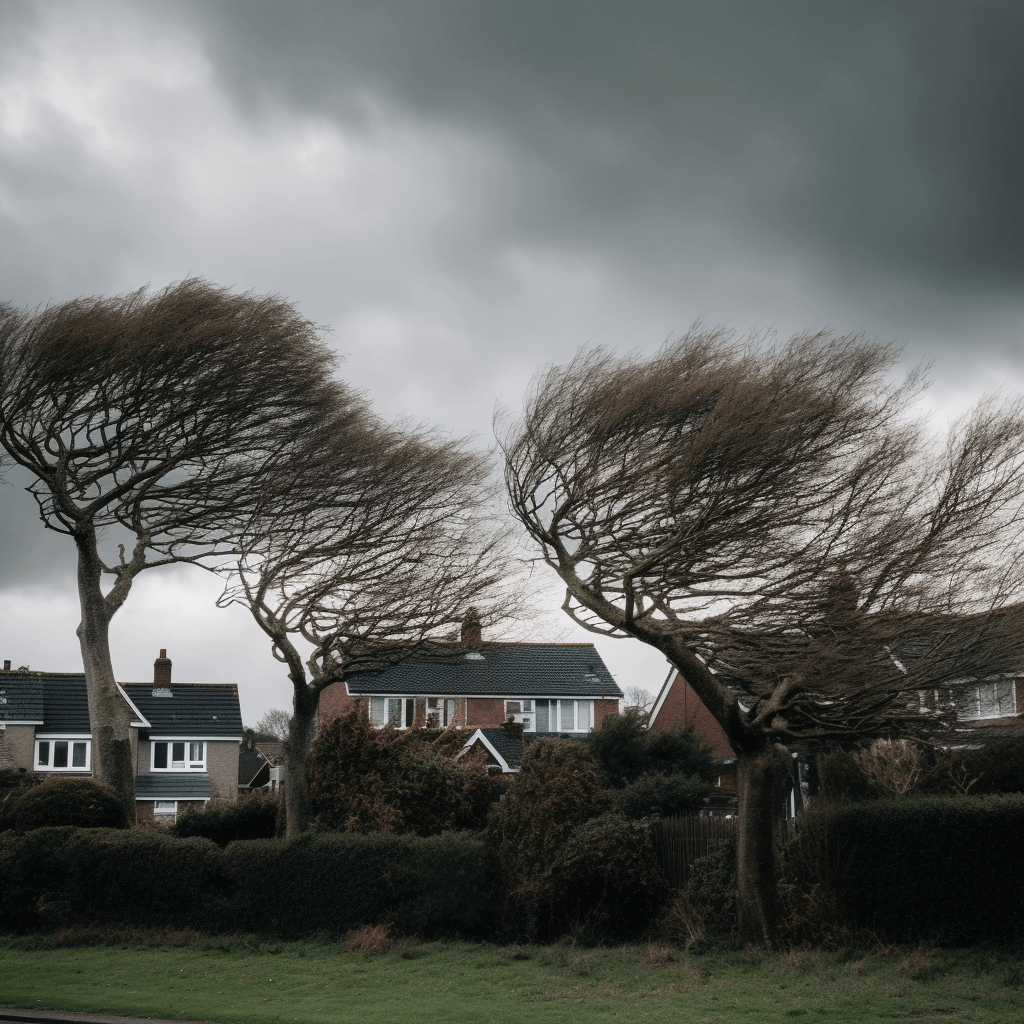
Windows, doors, roofs, fencing, unattached structures, siding, walkways, and more can all be damaged by severe wind. Wallace Law can help ensure your wind damage claim is paid.
December 29, 2022
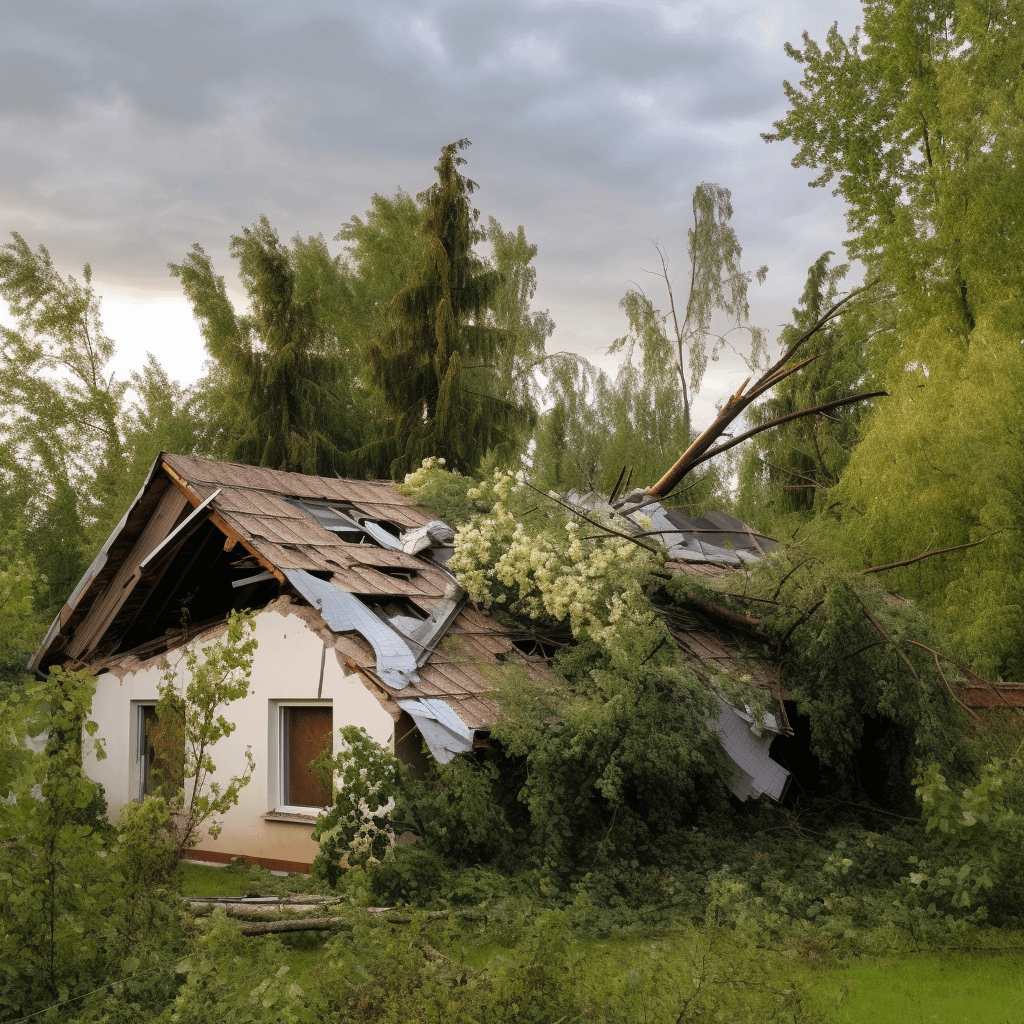
The United States experiences more than 1,200 tornadoes every year. A good tornado damage insurance policy can help you repair damage, restore property value, and ensure safety of your home after the tornado. If your insurance company is denying your tornado damage claim, contact a tornado damage lawyer at Wallace Law for help.
April 11, 2023
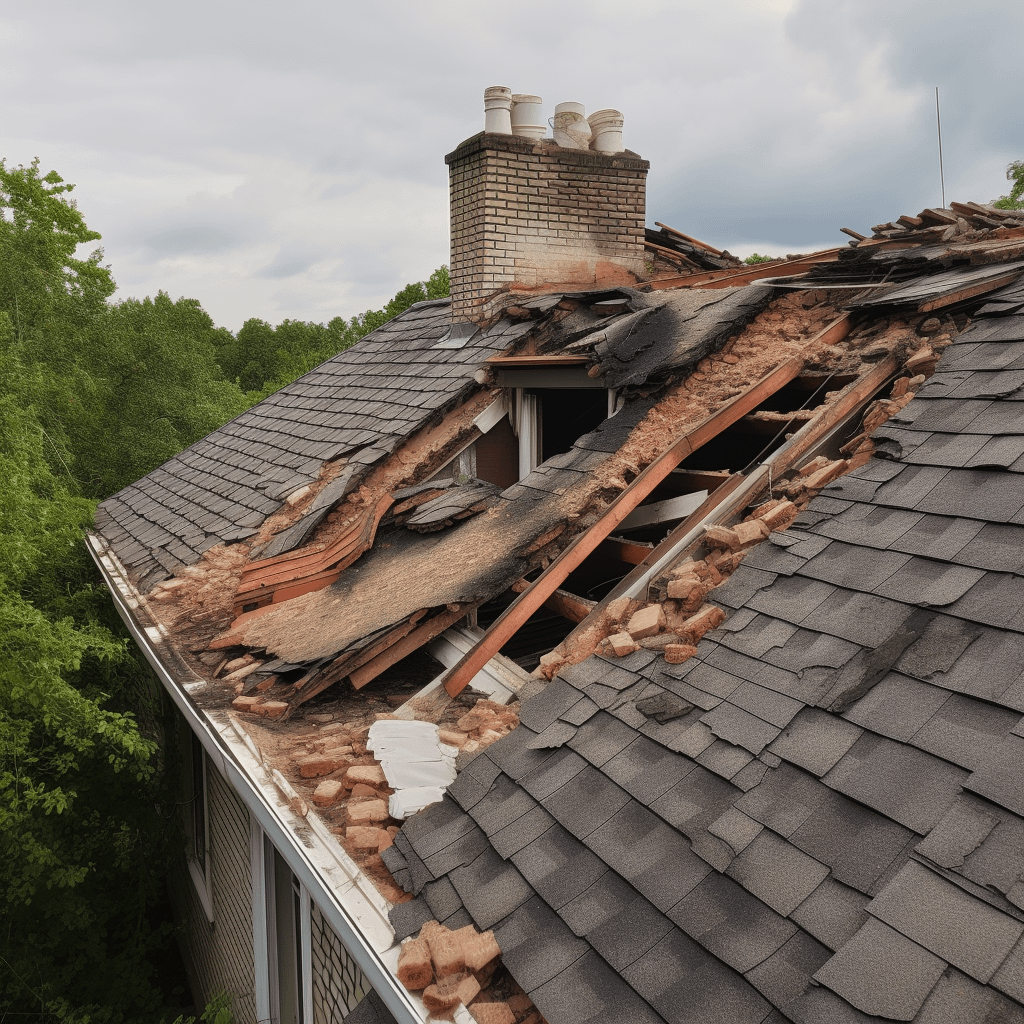
Roof damage is one of the most expensive repairs a homeowner faces. Find out how Wallace Law can help get your insurance to cover it.
August 8, 2023
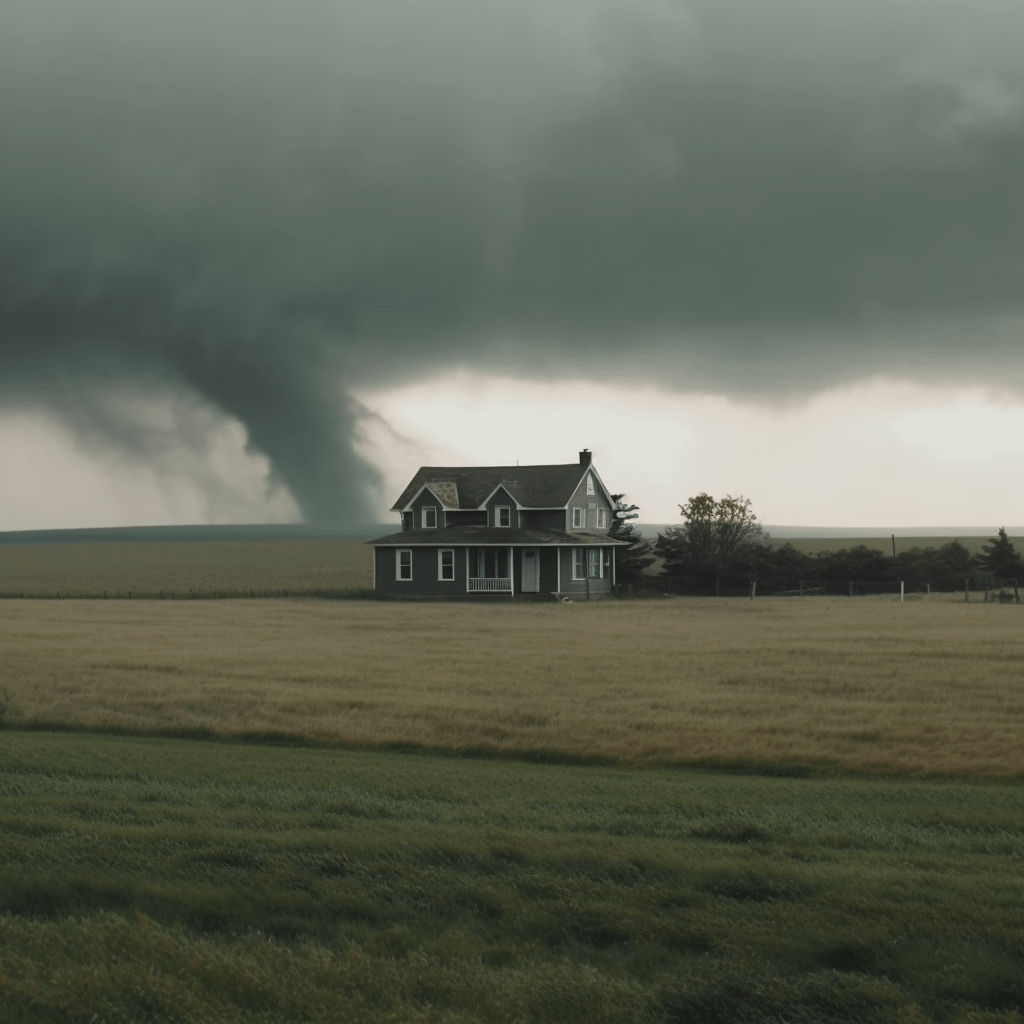
Wind and rain can cause severe damage and, sometimes, insurance policies refuse to pay what they owe. Discover what options are available to homeowners for rebuilding their properties.
October 2, 2023

If you’ve been affected by a tornado, there’s no time to waste. While most basic homeowners policies do cover damage from tornadoes, an insurance company may deny your coverage for all the wrong reasons.
March 5, 2024
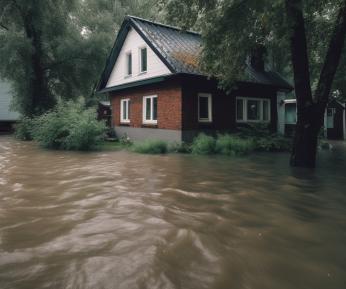
Typically, renters insurance may cover a number of expenses and losses stemming from sudden, accidental damage, provided that negligence was not the cause. Renters insurance is more likely to cover a sudden and unanticipated event that occurs in your dwelling like a burst water pipe (provided you were not somehow negligent). Generally, renters insurance will not cover water damage caused by a flood.
January 6, 2025
How to Get Homeowners Insurance to Pay for Window Replacement
If you believe your window damage was caused by a covered event, documentation matters. You may be able to strengthen your insurance claim by:
- Photographing the damage immediately
- Documenting the date of the storm or incident
- Obtaining repair estimates
- Preserving damaged materials when possible
- Reviewing the policy language carefully
The issue is not simply whether a window broke. It is whether the breakage resulted from a covered peril under the policy.
Insurance Won’t Cover Your Windows? Call Wallace Law
Window replacement disputes often turn on how the insurer characterizes the cause of damage and how the policy defines covered loss. If your homeowners insurance claim for window damage has been denied, delayed, or underpaid, reviewing the policy and the inspection findings early matters.
Property insurance deadlines in Wisconsin can be shorter than many homeowners expect. Acting promptly protects your ability to challenge a denial and preserve your rights under the policy.
If your insurance company refuses to pay for window replacement after a covered event, Wallace Law can review your claim, examine the policy language, and explain your options. Early review can make the difference between a resolved dispute and a missed deadline. Call or contact us today.
Get Started Right Now
Contact our team for help