

You pay your insurance premiums expecting protection in your time of need. But when a hailstorm tears through your neighborhood and damages your roof, the last thing you want to hear is that your claim has been denied. Sadly, that is precisely what happens to many homeowners and business owners across Wisconsin.
At Wallace Law, we understand the frustration and disheartenment that come with being met with resistance instead of support. If your roof hail damage claim was denied or undervalued, you are not alone, and you are not without options. We are here to help you fight back and get the compensation you deserve.
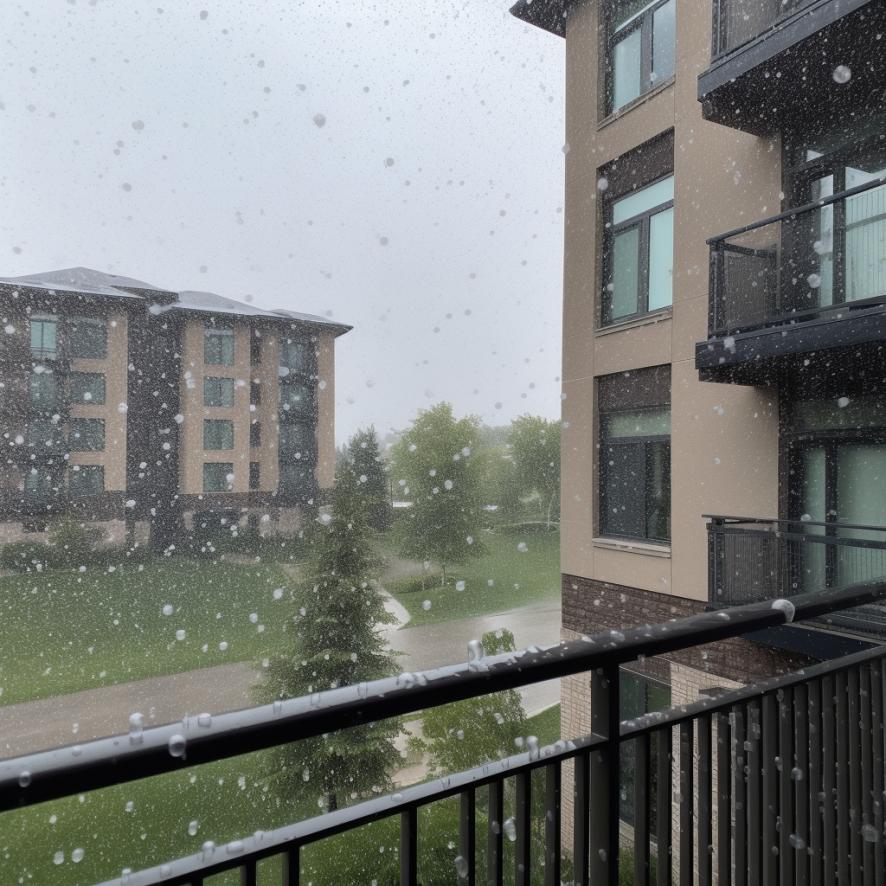
Why Roof Hail Damage Is Often Denied
Insurance companies frequently deny hail damage claims using vague or overly broad reasoning. One of the most common excuses is calling the damage “cosmetic,” which they argue does not affect the roof’s functionality. In other cases, they may attribute the damage to normal wear and tear, pre-existing conditions, or a lack of routine maintenance, even when the roof was in solid condition before the storm.
These denials are not always based on thorough inspections or clear policy language. Instead, they often rely on subjective assessments that benefit the insurance provider’s bottom line. For instance, an adjuster might classify dents or bruises on shingles as mere surface imperfections, even though those same defects can shorten the lifespan of the roofing materials or make the home more vulnerable to water intrusion.
Moreover, many homeowners are surprised to learn that their policies include exclusions for “cosmetic damage.” These exclusions are often buried in the fine print and written in complex language that makes them hard to interpret. As a result, policyholders may not realize that even visible, storm-related damage could be deemed non-compensable by their insurer.
Arbitrary Reasons for Denial
Some insurers also deny claims based on arbitrary distinctions, such as the age of the roof or the lack of immediate leaks. Just because a roof is older does not mean it was unfit for service, and just because it is not leaking today does not mean there is no severe underlying damage.
According to consumer advocates, these types of tactics are not rare. They are part of a growing trend where insurers introduce narrow definitions and exclusions to minimize payouts. The result is that valid claims are denied, delayed, or underpaid, leaving homeowners to cover repair costs out of pocket.
Understanding how and why insurance companies deny roof claims and what to do if your insurance claim is denied is the first step to fighting back. At Wallace Law, we help clients break down their policy language, gather persuasive documentation, and challenge bad faith tactics from insurance providers. If you are struggling to understand your roof hail damage denial, our team is here to help.
Related Blog Posts
One hailstorm can create thousands of insurance claims on a single insurer, so it’s no surprise that they try to minimize payouts for hail damage when they can.
August 13, 2025

Insurance companies reject life, property, travel, and health insurance claims every day. Wallace Law can help.
April 17, 2023
If your insurance company has delayed, underpaid, or refused to pay for your property damage claim, consult an insurance dispute lawyer to hold your insurers accountable.
March 3, 2023
Choosing and working with a contractor for storm damage can be a daunting task, especially if you’ve never done it before. Read on to learn more.
May 11, 2023
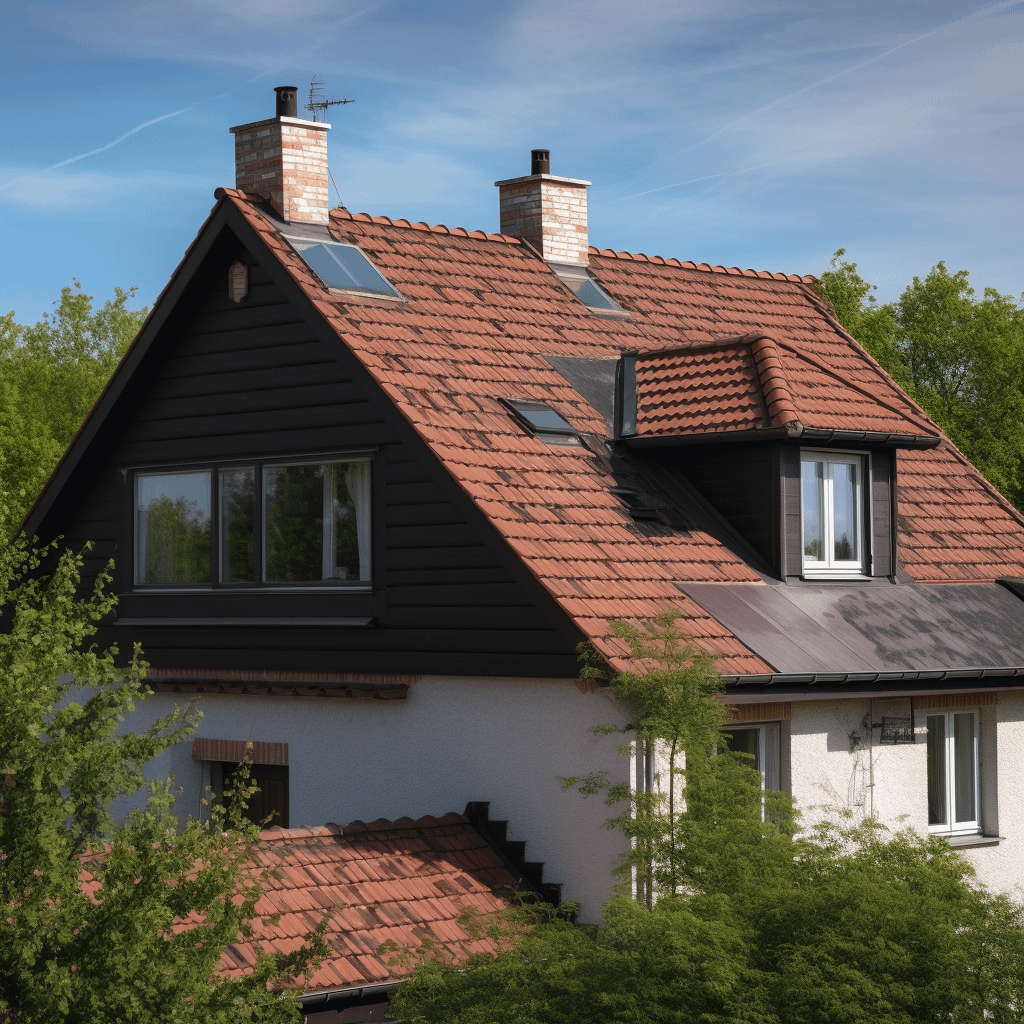
You can navigate the challenges of dealing with an insurance company by understanding your policy and gathering compelling evidence to support an appeal. For more insights into handling insurance disputes, visit the Wallace Law guide on Wisconsin insurance disputes.
December 24, 2024
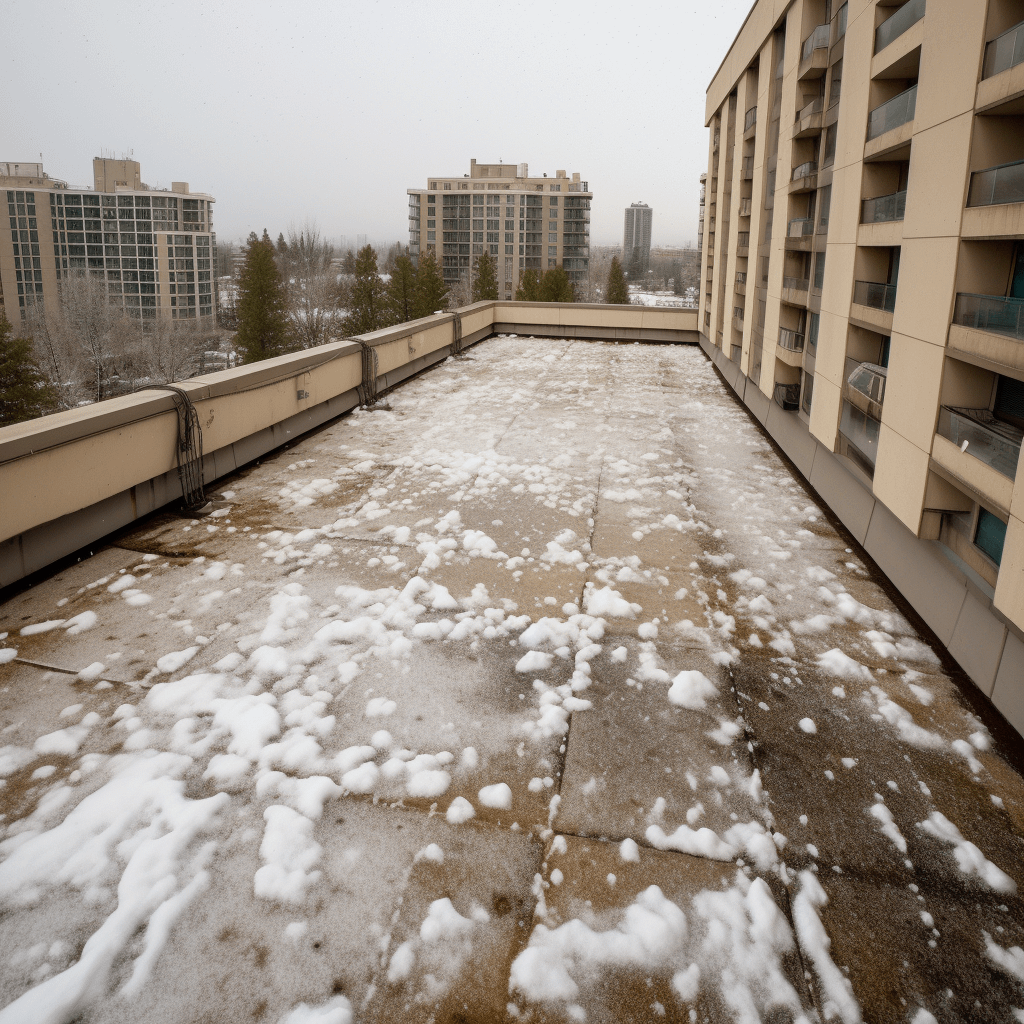
Hail has the potential to significantly damage the exterior of your house, such as the roof, siding, shingles and gutters. If an insurance company refuses to pay a valid hail damage claim, contact Wallace Law for help.
March 3, 2023
How Insurers Downplay or Misclassify Roof Damage from Hail
Many insurers are quick to dismiss or downgrade the seriousness of a hail damage insurance claim. They may claim that any visible signs of damage are superficial or that the damage occurred during a prior event that was never reported. These arguments are difficult to refute without the correct documentation or expert inspection.
Even worse, insurance adjusters might overlook subtle damage that compromises your roof’s ability to protect your home over time. Cracked shingles, bruising, or lifted edges might not be evident without a close inspection, yet they can open the door to future water intrusion, mold, and structural decay.
The Difference Between Cosmetic and Functional Roof Damage
Understanding the distinction between cosmetic and functional damage is critical. According to Homestead Roofing, cosmetic damage refers to changes in appearance that do not affect performance, like dents or discoloration. Functional damage, on the other hand, means the integrity of the roof has been compromised.
Insurers often label roof issues as cosmetic to avoid paying claims. But even minor impacts can harm the waterproof barrier, dislodge granules, or weaken the underlayment, leading to long-term problems. If the damage impacts your roof’s ability to protect your home, it is functional and should be covered.
If your claim was denied because the damage was deemed cosmetic, it is time to get a second opinion.
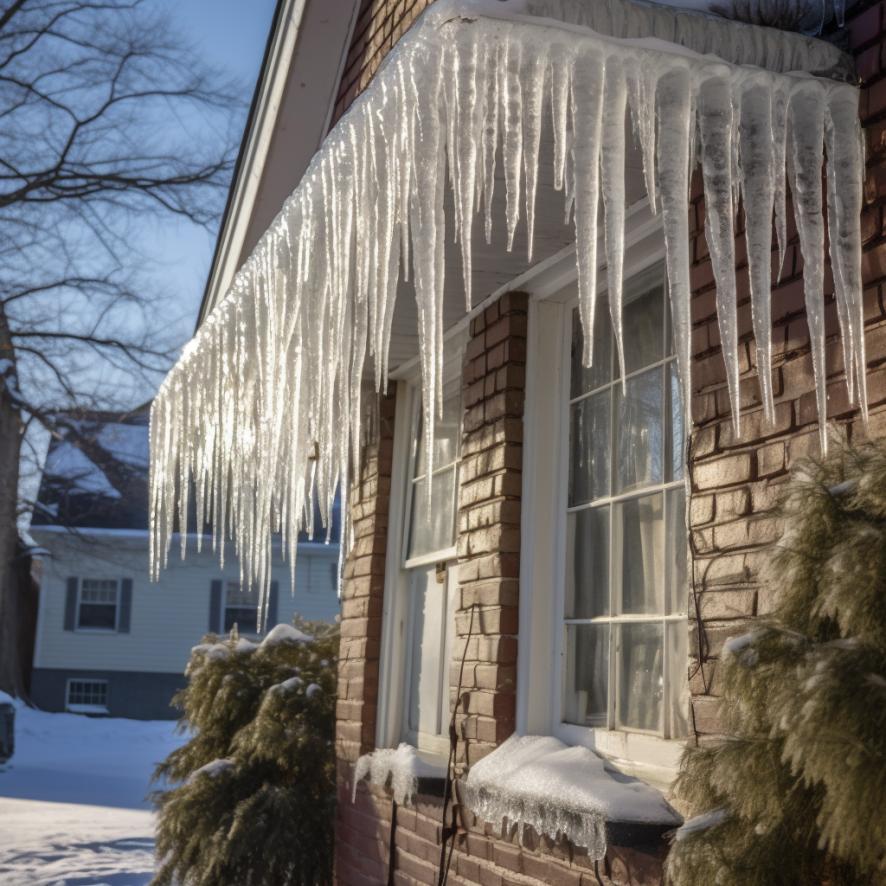
Signs of Hail Damage on a Roof that You Shouldn’t Ignore
One of the biggest myths about hail damage is that if it is not leaking today, it is not serious. But that could not be further from the truth. According to Roof Crafters, minor damage can worsen over time, leading to costly leaks, mold, and even structural damage.
Moisture can slowly infiltrate the roof deck and insulation layers, creating a perfect environment for decay. By the time a ceiling stain appears, the internal damage may be extensive.
If your claim was denied due to “minor” damage, do not assume the issue is resolved. Protect your property by challenging the denial while you still can, and learn how insurance companies are supposed to pay claims.
Steps to Take After Your Roof Damage Claim Is Denied
If your claim has been denied, do not panic. There are steps you can take to strengthen your position and possibly reverse the decision:
- Request a full explanation of the denial in writing.
- Review your policy carefully, focusing on exclusions and requirements.
- Get an independent roof inspection to provide a second opinion.
- Collect documentation such as photos and repair estimates.
What an Insurance Adjuster Might “Miss” When Inspecting a Roof
Adjusters hired by insurance companies are often under pressure to save money. As a result, they might:
- Conduct only a brief inspection
- Miss or ignore damage that requires up-close examination
- Focus on the most apparent areas while neglecting hidden vulnerabilities
- Fail to check attic spaces or underlying roofing layers
These oversights are more than frustrating—they can cost you thousands in repairs. According to BranchStone Roofing, missing functional damage can mean total denial of a valid claim.
Getting an independent inspection or hiring a public adjuster can help ensure nothing is overlooked. At Wallace Law, we help homeowners gather strong documentation to counter incomplete assessments.
Steps to Take After Your Roof Damage Claim Is Denied
If your claim has been denied, do not panic. There are steps you can take to strengthen your position and possibly reverse the decision:
- Request a full explanation of the denial in writing.
- Review your policy carefully, focusing on exclusions and requirements.
- Get an independent roof inspection to provide a second opinion.
- Collect documentation such as photos, repair estimates, and weather reports.
- File an appeal, which may require additional forms or evidence.
- Consult a lawyer who understands insurance law and claim disputes.
We offer a comprehensive breakdown of what to do when a claim is denied.
You can also refer to Brahma Roofing for more on how to appeal effectively.
When to Call a Lawyer for a Denied Hail Damage Claim
Sometimes, no matter how much documentation or appeals you submit, an insurer may refuse to do the right thing. If you’re repeatedly facing denials, low offers, or bad faith actions, it might be time to seek legal assistance.
A lawyer can:
- Review your policy and clarify your rights
- Communicate directly with the insurance provider
- Assist in filing a lawsuit if needed
- Help maximize your potential recovery
You don’t have to face this alone. If your insurer is stalling, delaying, or unfairly denying your claim, consider exploring your legal options.

Talk to an Insurance Claims Lawyer Today for Help
At Wallace Law, we understand how exhausting it is to deal with a denied insurance claim, especially when your property is at risk. Whether you are a homeowner dealing with roof damage or a business owner facing commercial property losses, we are here to fight on your behalf.
Our legal team focuses on holding insurance companies accountable and ensuring policyholders receive the fair treatment they paid for. If you are tired of the runaround,
contact us now to schedule your consultation. With the right help, you can fight back and win.
Contact Us for Help